Breakfast
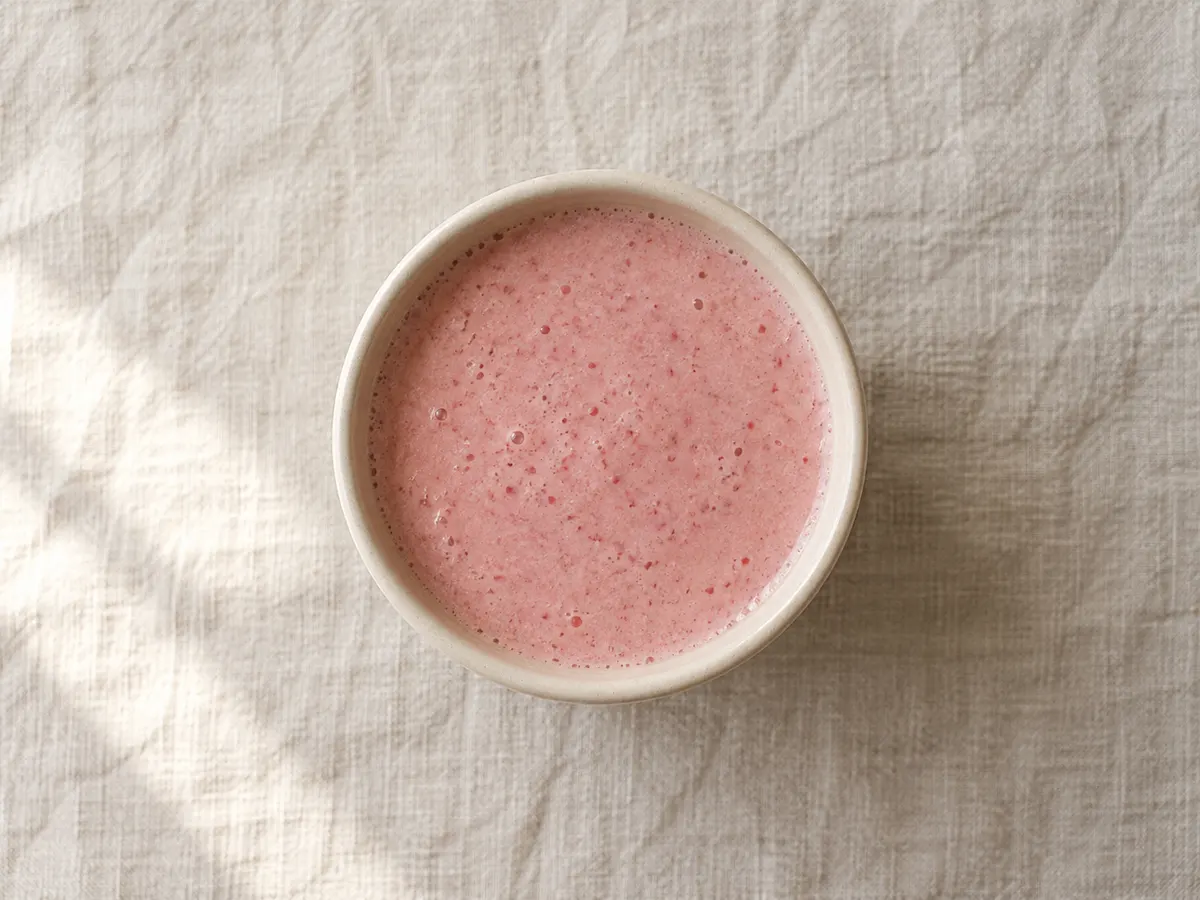
Greek yogurt, banana, and strawberry smoothie
Each serving has 256 kcal, 17.8 g of protein, and 3.2 g of fiber, or 7 g of protein per 100 kcal. Ready in 5 minutes; makes 1 serving.
Per serving
- 256 kcalCalories
- 17.8 gProtein
- 3.2 gFiber
Calculated ingredient by ingredient from USDA FoodData Central. 7 g of protein per 100 kcal.
- Prepared by
- Alex Gonzalez
- Published
- Sources
- 5 primary
No clinical review. No advertising from drug companies and no affiliate links.How we work
Ingredients
- 125 g4.5 ozplain Greek yogurt (about 1/2 cup)
- 150 ml5 fl ozskim milk (about 2/3 cup)
- 60 g2 ozbanana (1/2 banana)
- 80 g3 ozstrawberries (about 1/2 cup)
Directions
- Rinse the strawberries and hull them.
- Peel the banana and cut it into chunks.
- Put everything in the blender and blend for 1 minute, until smooth.
- Serve cold; if it is too thick, add a little more milk.
Why it is filling
Calories you drink tend to be less filling than the same calories in solid food, so this smoothie is not the most filling option on this list. Its advantage lies elsewhere: when chewing is hard or your stomach fills up fast, it lets you get the protein from the yogurt and milk plus a serving of fruit in sips, cold, and with no cooking smells.
In numbers, each serving has 17.8 g of protein and 3.2 g of fiber, with an energy density of 62 kcal per 100 g of the dish. In the satiety index by Holt and colleagues (1995), the foods that were most filling per calorie were those with more protein, fiber, and water and less fat.
If your appetite is small
- If it fills you up too much, split it into two glasses and have one mid-morning.
- Freeze the banana in slices and use it straight from the freezer: the smoothie comes out colder and creamier.
- You can swap the skim milk for unsweetened soy milk.
Nutrition facts
| Nutrient | Per serving |
|---|---|
| Calories | 256 kcal |
| Protein | 17.8 g |
| Carbohydrates | 32.3 g |
| Fiber | 3.2 g |
| Fat | 7.1 g |
| Approximate weight | 415 g (15 oz) |
How it is calculated
Each ingredient contributes its per-100 g values from the site’s food database, multiplied by the amount in the recipe. Seasonings, water, and lemon or lime juice are not counted. It is an approximation: the actual size of the foods and how you cook them shift the result a little.
| Ingredient | Amount | Calories | Protein | Fiber |
|---|---|---|---|---|
| Plain Greek yogurt | 125 g | 121 kcal | 11.3 g | 0 g |
| Nonfat milk | 150 ml | 56 kcal | 5.4 g | 0 g |
| Banana | 60 g | 53 kcal | 0.7 g | 1.6 g |
| Strawberries | 80 g | 26 kcal | 0.5 g | 1.6 g |
To plan your meals
- Daily protein calculator: an indicative protein range per day and per meal, to see how much of it this recipe covers.
- Weekly menu for small appetites: seven days of small portions with the protein spread across meals, ready to print.
More recipes
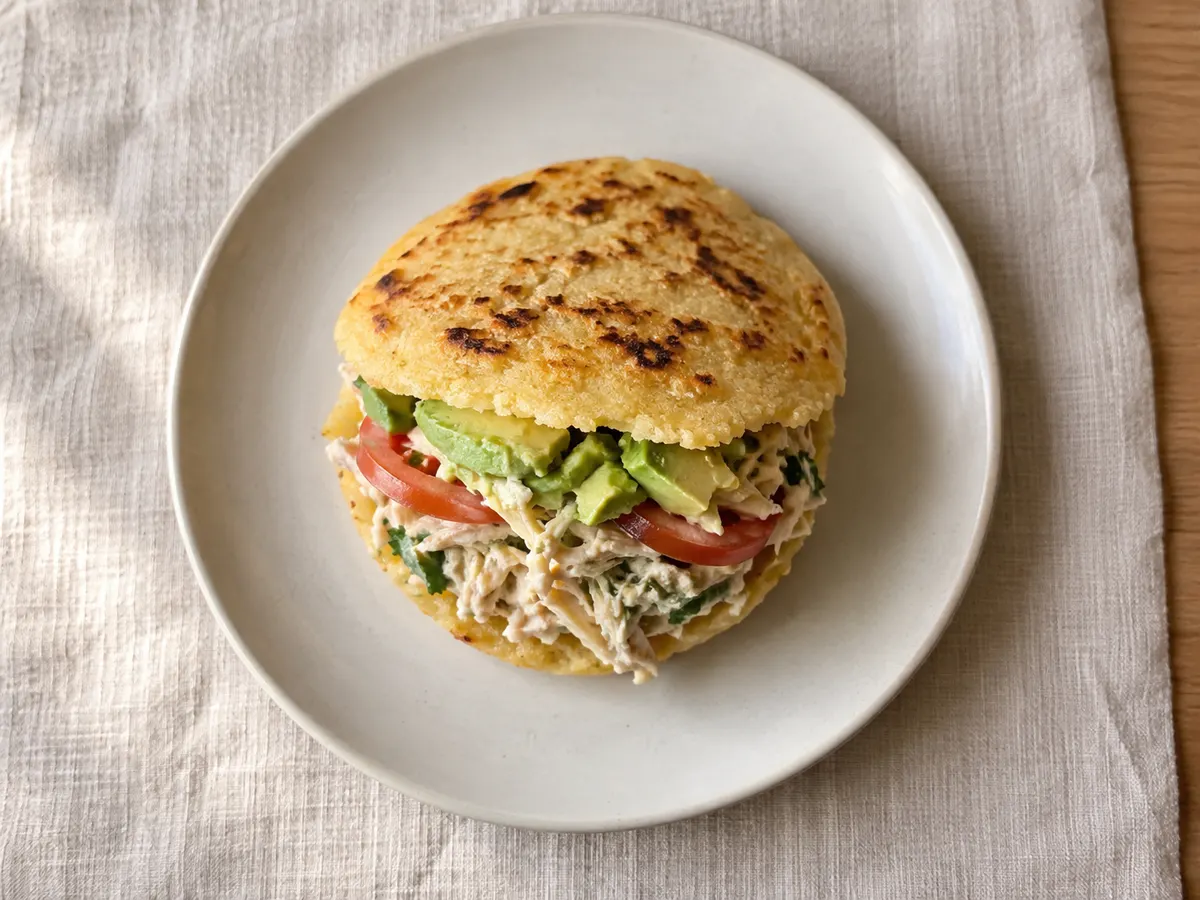
318 kcal27 grams of protein15 min
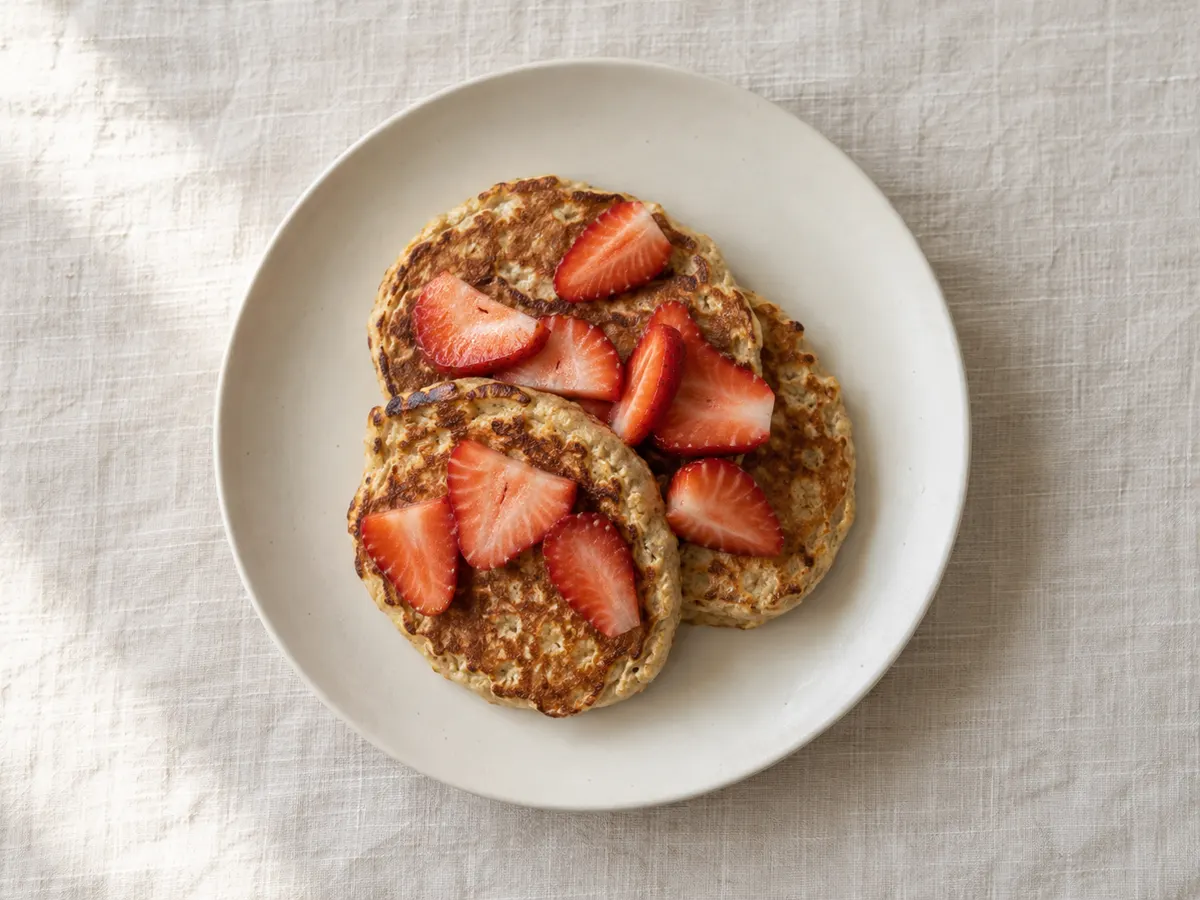
337 kcal22.1 grams of protein20 min
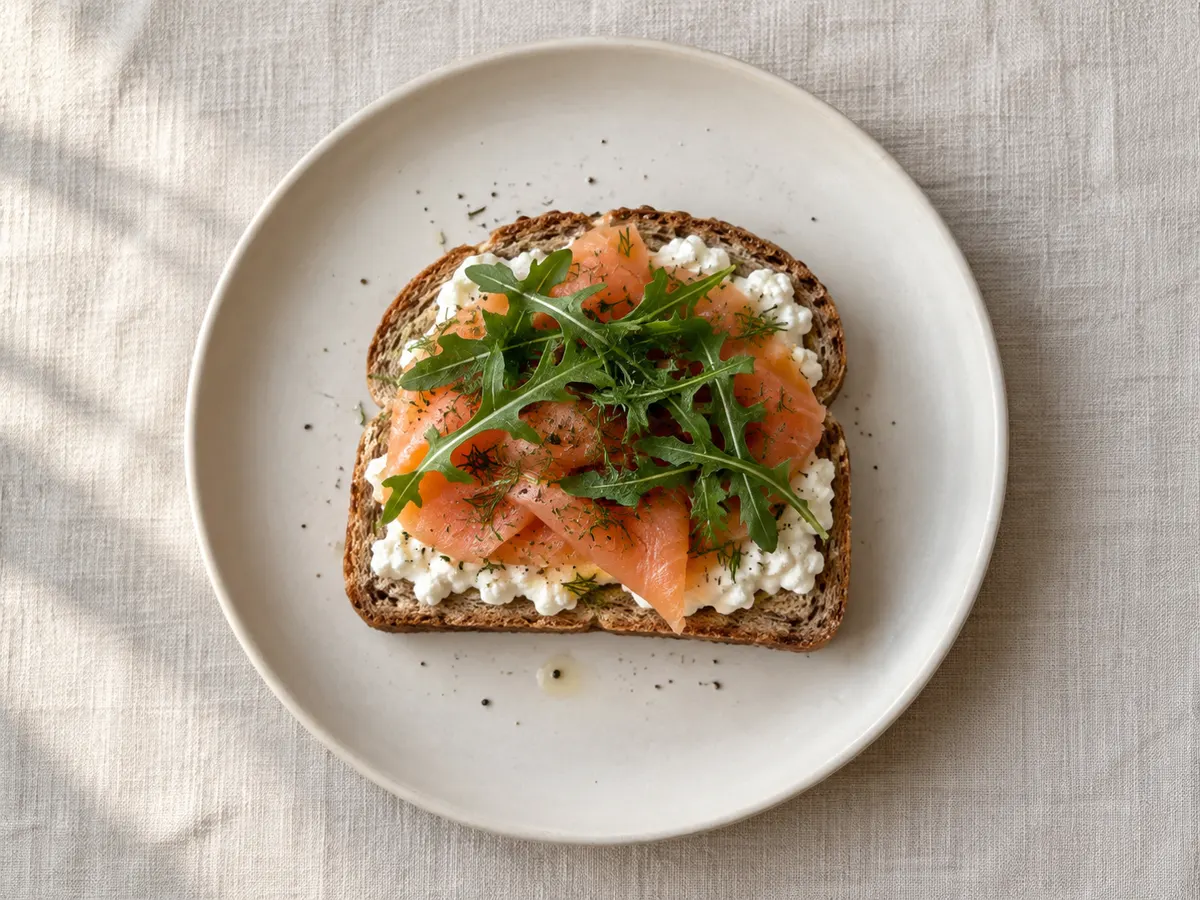
215 kcal20.9 grams of protein8 min
Sources
Nutrition values for each ingredient (USDA FoodData Central) and the satiety reference, with the access date.
- U.S. Department of Agriculture, Agricultural Research Service.USDA FoodData Central: Yogurt, Greek, plain, whole milk (FDC ID 171304).accessed .
- U.S. Department of Agriculture, Agricultural Research Service.USDA FoodData Central: Milk, nonfat, fluid, with added nonfat milk solids, vitamin A and vitamin D (fat free or skim) (FDC ID 171270).accessed .
- U.S. Department of Agriculture, Agricultural Research Service.USDA FoodData Central: Bananas, raw (FDC ID 173944).accessed .
- U.S. Department of Agriculture, Agricultural Research Service.USDA FoodData Central: Strawberries, raw (FDC ID 167762).accessed .
- European Journal of Clinical Nutrition (PubMed).Holt SH, Miller JC, Petocz P, Farmakalidis E. A satiety index of common foods. Eur J Clin Nutr. 1995;49(9):675-90.accessed .