Lunch
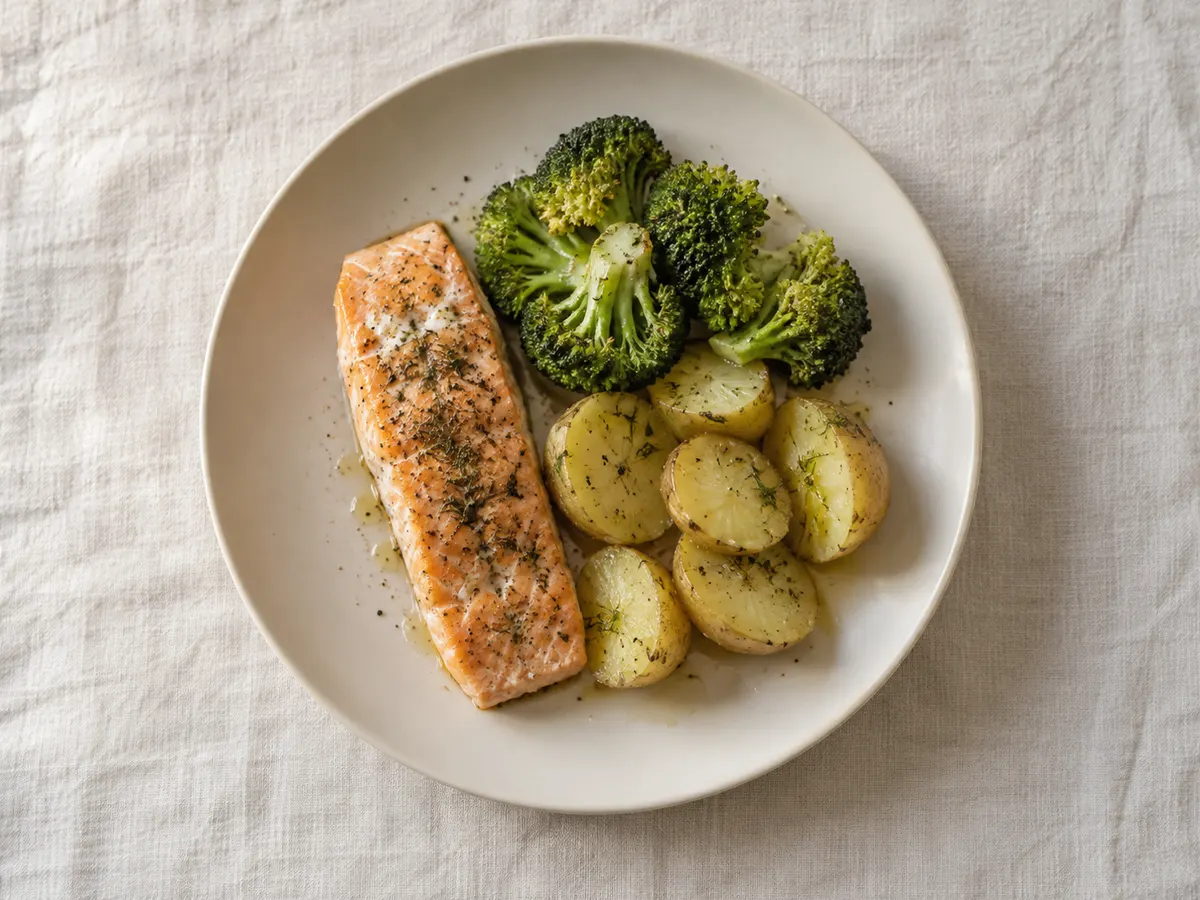
Baked salmon with broccoli and potato
Each serving has 432 kcal, 30.6 g of protein, and 5.7 g of fiber, or 7.1 g of protein per 100 kcal. Ready in 30 minutes; makes 2 servings.
Per serving
- 432 kcalCalories
- 30.6 gProtein
- 5.7 gFiber
Calculated ingredient by ingredient from USDA FoodData Central. 7.1 g of protein per 100 kcal.
- Prepared by
- Alex Gonzalez
- Published
- Sources
- 5 primary
No clinical review. No advertising from drug companies and no affiliate links.How we work
Ingredients
- 240 g8.5 ozsalmon fillets (2 of about 4 oz each, raw weight)
- 300 g11 ozbroccoli florets (about 4 cups)
- 200 g7 ozpotato boiled in its skin, sliced (1 medium)
- 10 golive oil (2 teaspoons)
- Juice of 1/2 lemon
- Salt, pepper, and dill to taste
Directions
- Preheat the oven to 400 °F (200 °C).
- Spread the potato slices and broccoli on a baking sheet, drizzle with half the oil, and bake for 10 minutes.
- Add the salmon fillets, brush them with the rest of the oil, and season with salt and pepper.
- Bake 12 to 15 minutes more, until the salmon flakes easily.
- Squeeze the lemon over the top and serve.
Why it is filling
Salmon packs a lot of protein into a small portion, and the broccoli and potato add volume for few calories. It is one of the higher-fat recipes on this list, almost all of it from the fish itself; if fatty meals make you feel heavy, a smaller piece of salmon with more vegetables usually sits better. Broccoli, like other cruciferous vegetables, gives some people gas.
In numbers, each serving has 30.6 g of protein and 5.7 g of fiber, with an energy density of 115 kcal per 100 g of the dish. In the satiety index by Holt and colleagues (1995), the foods that were most filling per calorie were those with more protein, fiber, and water and less fat.
If your appetite is small
- Cooked salmon keeps for 2 days in the fridge; flaked cold over a salad, it usually smells less than when reheated.
- If broccoli gives you gas, swap it for zucchini or green beans.
Nutrition facts
| Nutrient | Per serving | Whole recipe |
|---|---|---|
| Calories | 432 kcal | 864 kcal |
| Protein | 30.6 g | 61.2 g |
| Carbohydrates | 30.1 g | 60.1 g |
| Fiber | 5.7 g | 11.4 g |
| Fat | 21.7 g | 43.5 g |
| Approximate weight | 375 g (13 oz) | 750 g (26 oz) |
How it is calculated
Each ingredient contributes its per-100 g values from the site’s food database, multiplied by the amount in the recipe. Seasonings, water, and lemon or lime juice are not counted. It is an approximation: the actual size of the foods and how you cook them shift the result a little.
| Ingredient | Amount | Calories | Protein | Fiber |
|---|---|---|---|---|
| Salmon | 240 g | 499 kcal | 49 g | 0 g |
| Broccoli | 300 g | 102 kcal | 8.5 g | 7.8 g |
| Boiled potato | 200 g | 174 kcal | 3.7 g | 3.6 g |
| Olive oil | 10 g | 88 kcal | 0 g | 0 g |
To plan your meals
- Daily protein calculator: an indicative protein range per day and per meal, to see how much of it this recipe covers.
- Weekly menu for small appetites: seven days of small portions with the protein spread across meals, ready to print.
More recipes
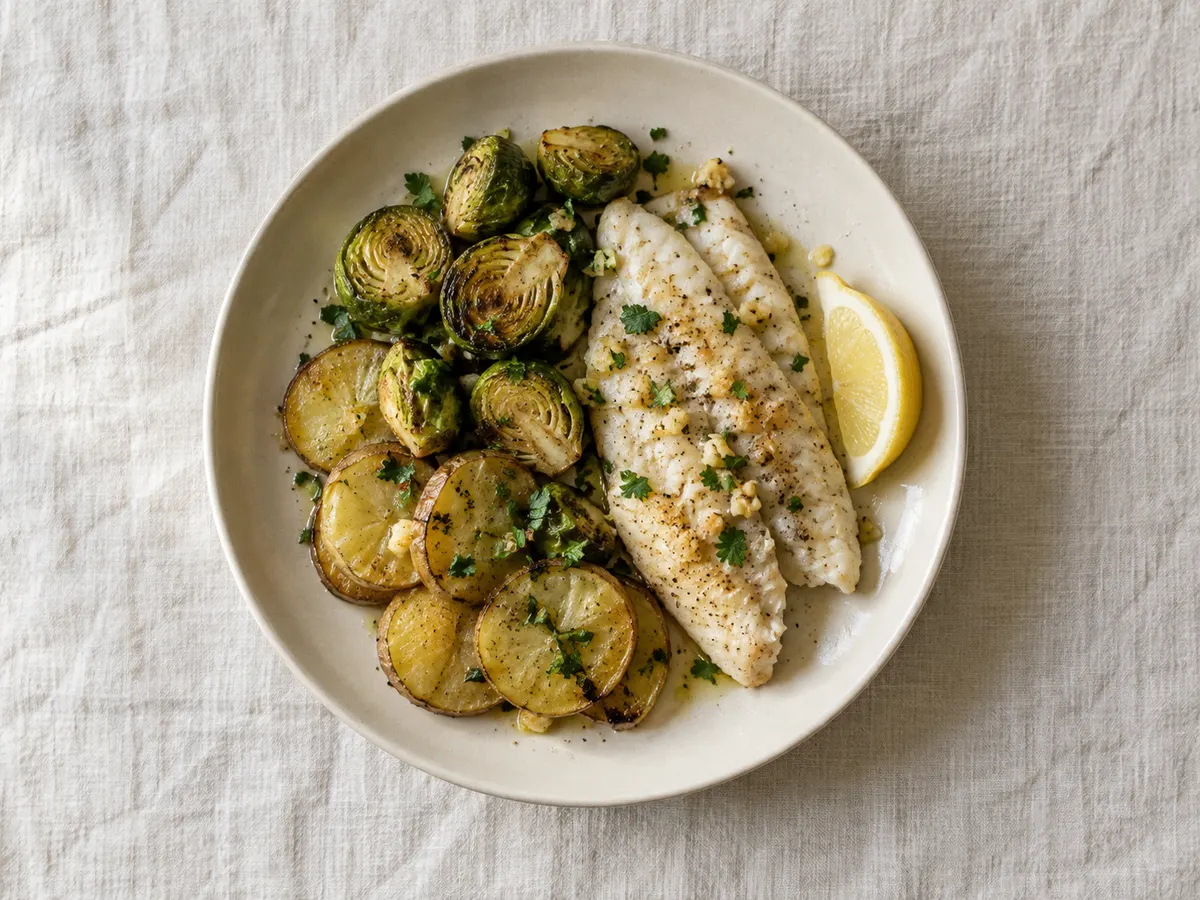
324 kcal32.8 grams of protein35 min
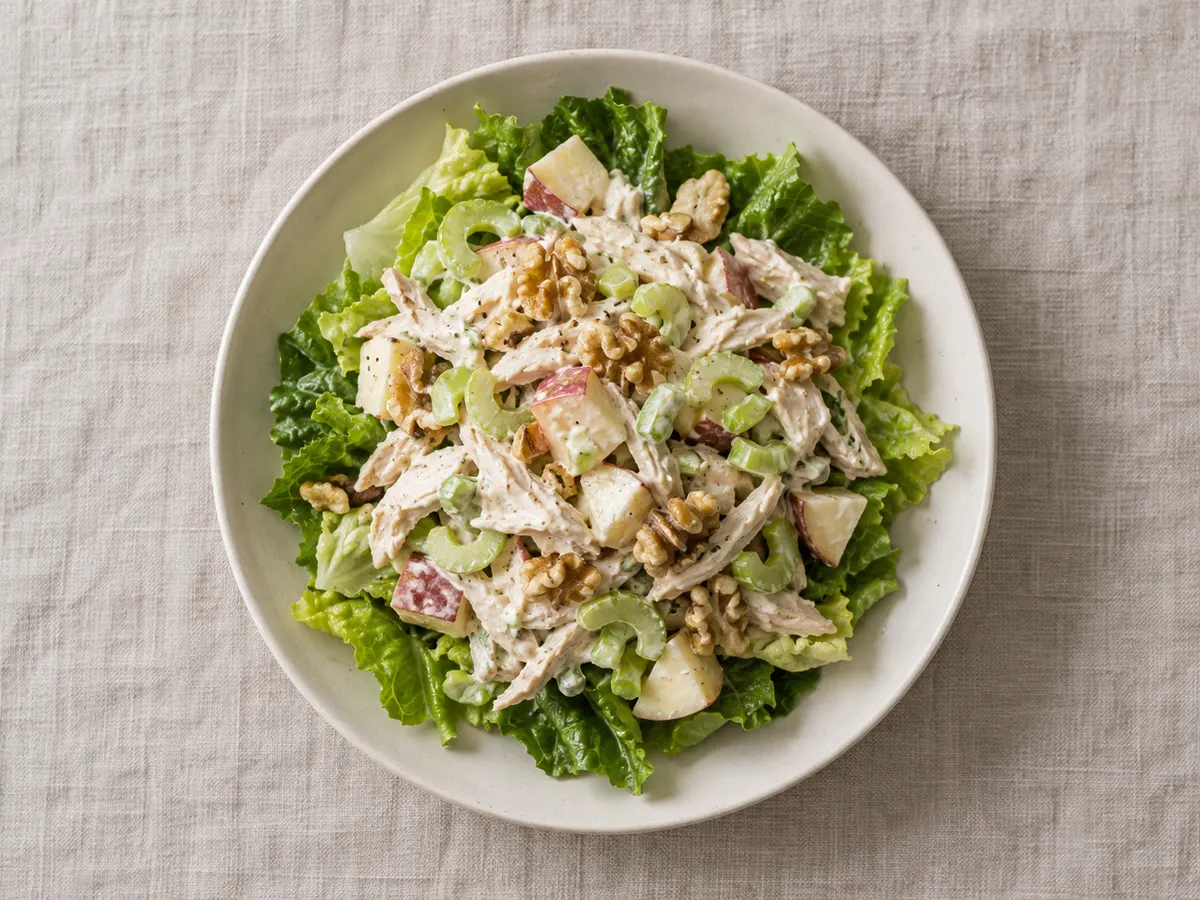
269 kcal33.5 grams of protein10 min
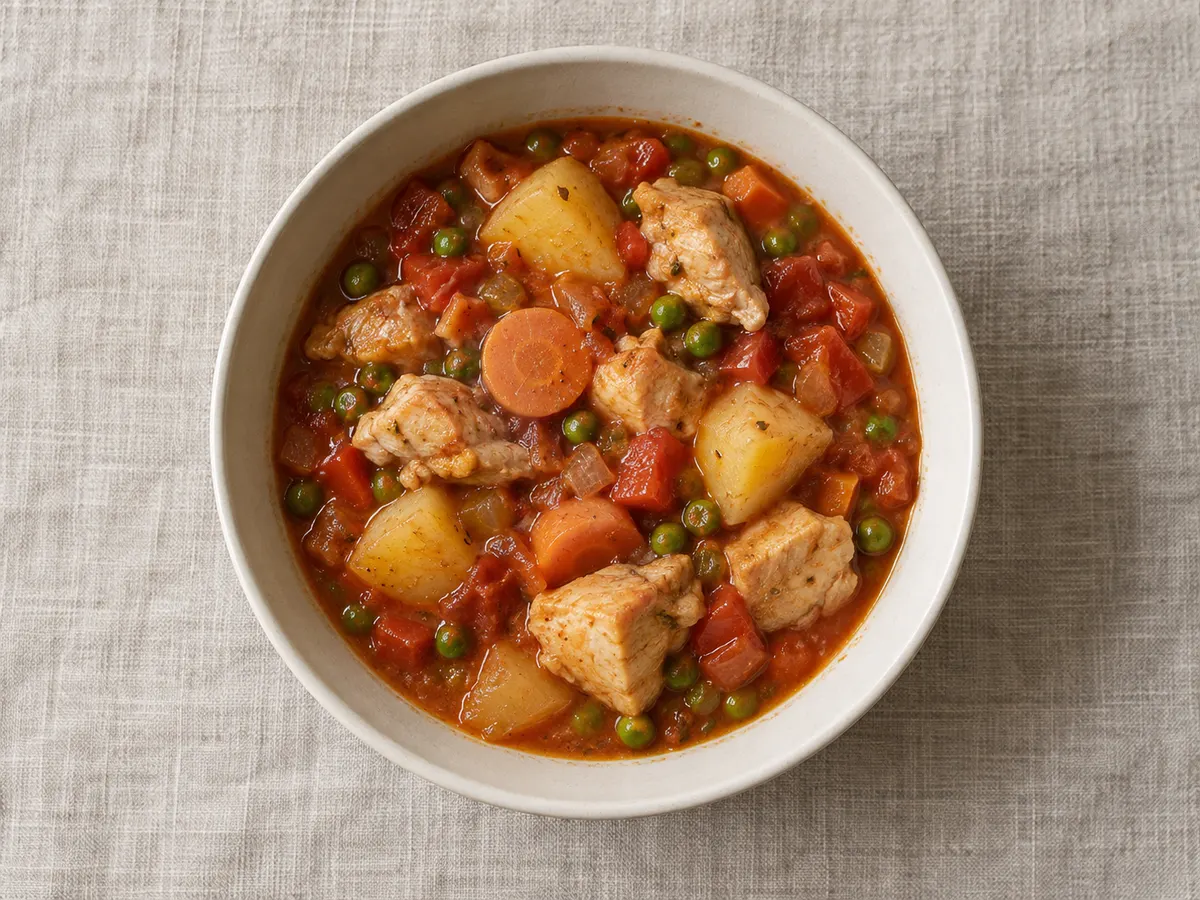
282 kcal23.9 grams of protein45 min
Sources
Nutrition values for each ingredient (USDA FoodData Central) and the satiety reference, with the access date.
- U.S. Department of Agriculture, Agricultural Research Service.USDA FoodData Central: Fish, salmon, Atlantic, farmed, raw (FDC ID 175167).accessed .
- U.S. Department of Agriculture, Agricultural Research Service.USDA FoodData Central: Broccoli, raw (FDC ID 170379).accessed .
- U.S. Department of Agriculture, Agricultural Research Service.USDA FoodData Central: Potatoes, boiled, cooked in skin, flesh, without salt (FDC ID 170438).accessed .
- U.S. Department of Agriculture, Agricultural Research Service.USDA FoodData Central: Oil, olive, salad or cooking (FDC ID 171413).accessed .
- European Journal of Clinical Nutrition (PubMed).Holt SH, Miller JC, Petocz P, Farmakalidis E. A satiety index of common foods. Eur J Clin Nutr. 1995;49(9):675-90.accessed .