Dinner
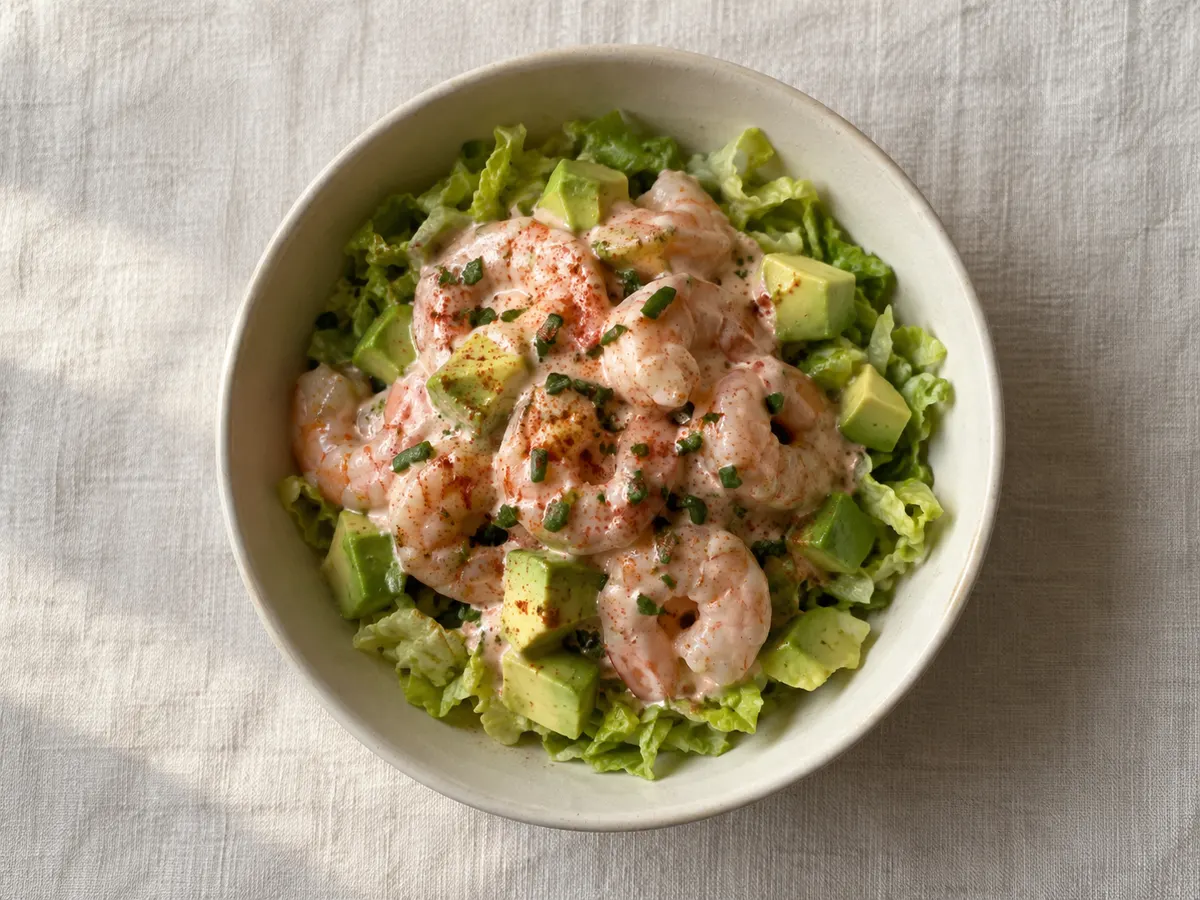
Shrimp cocktail with pink yogurt sauce
Each serving has 201 kcal, 28.1 g of protein, and 3.1 g of fiber, or 14 g of protein per 100 kcal. Ready in 10 minutes; makes 2 servings.
Per serving
- 201 kcalCalories
- 28.1 gProtein
- 3.1 gFiber
Calculated ingredient by ingredient from USDA FoodData Central. 14 g of protein per 100 kcal.
- Prepared by
- Alex Gonzalez
- Published
- Sources
- 6 primary
No clinical review. No advertising from drug companies and no affiliate links.How we work
Ingredients
- 200 g7 ozcooked peeled shrimp (about 7 oz)
- 80 g3 ozplain nonfat Greek yogurt (about 1/3 cup)
- 40 g1.5 ozgrated ripe tomato (about 3 tablespoons)
- 80 g3 ozromaine lettuce, finely shredded (about 1 1/2 cups)
- 60 g2 ozdiced avocado (1/2 small)
- Juice of 1/2 lemon
- A few drops of Worcestershire sauce (optional)
- Sweet paprika, salt, and pepper to taste
- Chopped chives or parsley (optional)
Directions
- If the shrimp are frozen, thaw them in the fridge and pat them dry with paper towels.
- Stir the yogurt with the grated tomato, a few drops of lemon juice, the Worcestershire sauce if using, a pinch of paprika, and salt.
- Divide the lettuce between two coupe glasses or wide tumblers.
- Top with the avocado, tossed with a few drops of lemon juice so it does not brown.
- Add the shrimp and spoon the pink sauce over them.
- Dust with a little paprika, sprinkle with chives, and serve cold.
Why it is filling
This is the shrimp cocktail of a Spanish Christmas Eve dinner, with the pink sauce made from Greek yogurt instead of mayonnaise and ketchup. Most of the plate is shellfish protein, which fills you up in a small volume and leaves room for the rest, useful on a GLP-1 medication when your appetite runs out early. It is served cold and nothing is fried, so it sits lightly at the start of a long meal.
In numbers, each serving has 28.1 g of protein and 3.1 g of fiber, with an energy density of 87 kcal per 100 g of the dish. In the satiety index by Holt and colleagues (1995), the foods that were most filling per calorie were those with more protein, fiber, and water and less fat.
If your appetite is small
- At a long holiday meal, this cocktail can be your main course: with the protein already in, a taste of everything else is enough.
- The sauce keeps for a day in the fridge; spoon it over the shrimp just before serving.
Nutrition facts
| Nutrient | Per serving | Whole recipe |
|---|---|---|
| Calories | 201 kcal | 402 kcal |
| Protein | 28.1 g | 56.3 g |
| Carbohydrates | 7.6 g | 15.2 g |
| Fiber | 3.1 g | 6.2 g |
| Fat | 6.4 g | 12.9 g |
| Approximate weight | 230 g (8 oz) | 460 g (16 oz) |
How it is calculated
Each ingredient contributes its per-100 g values from the site’s food database, multiplied by the amount in the recipe. Seasonings, water, and lemon or lime juice are not counted. It is an approximation: the actual size of the foods and how you cook them shift the result a little.
| Ingredient | Amount | Calories | Protein | Fiber |
|---|---|---|---|---|
| Shrimp | 200 g | 238 kcal | 45.6 g | 0 g |
| Nonfat Greek yogurt | 80 g | 47 kcal | 8.2 g | 0 g |
| Tomato | 40 g | 7 kcal | 0.4 g | 0.5 g |
| Romaine lettuce | 80 g | 14 kcal | 1 g | 1.7 g |
| Avocado | 60 g | 96 kcal | 1.2 g | 4 g |
To plan your meals
- Daily protein calculator: an indicative protein range per day and per meal, to see how much of it this recipe covers.
- Weekly menu for small appetites: seven days of small portions with the protein spread across meals, ready to print.
More recipes
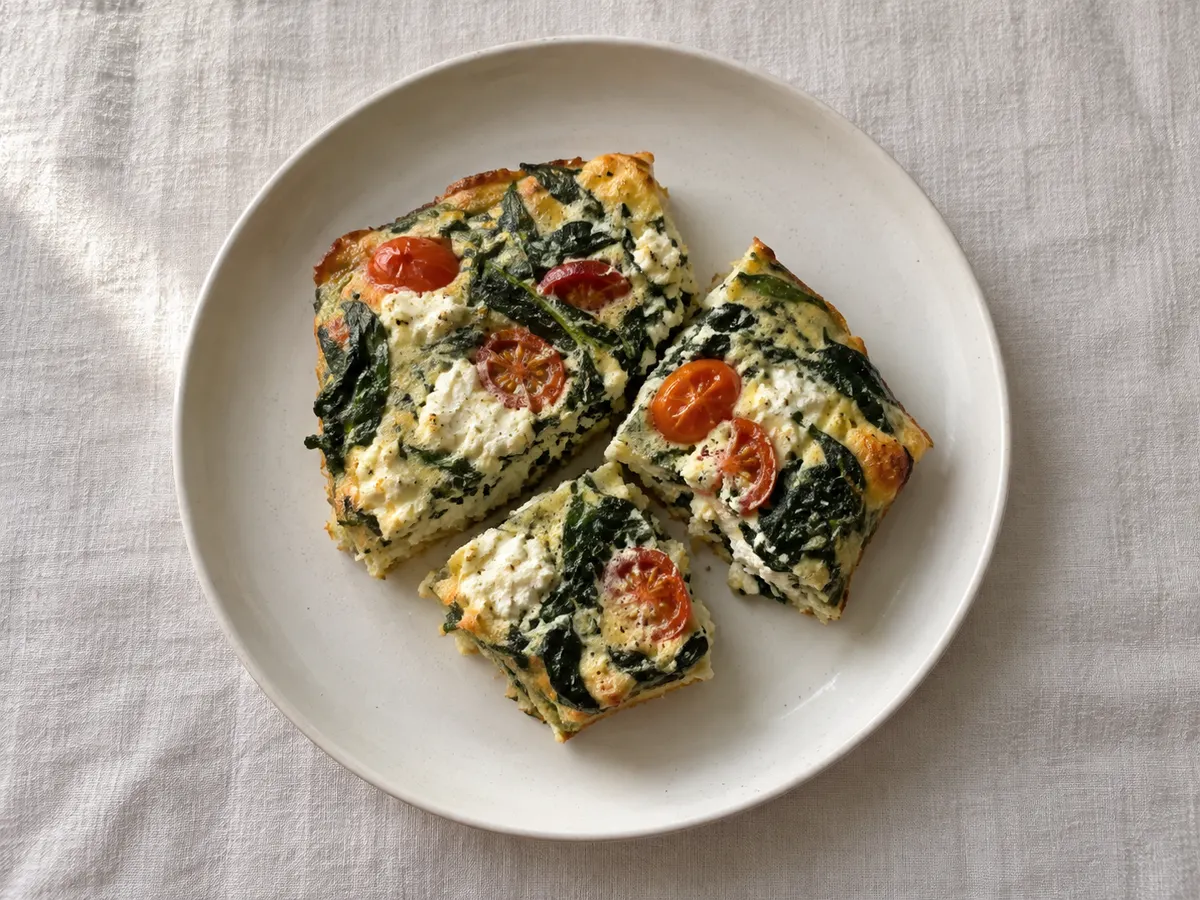
240 kcal28.8 grams of protein35 min
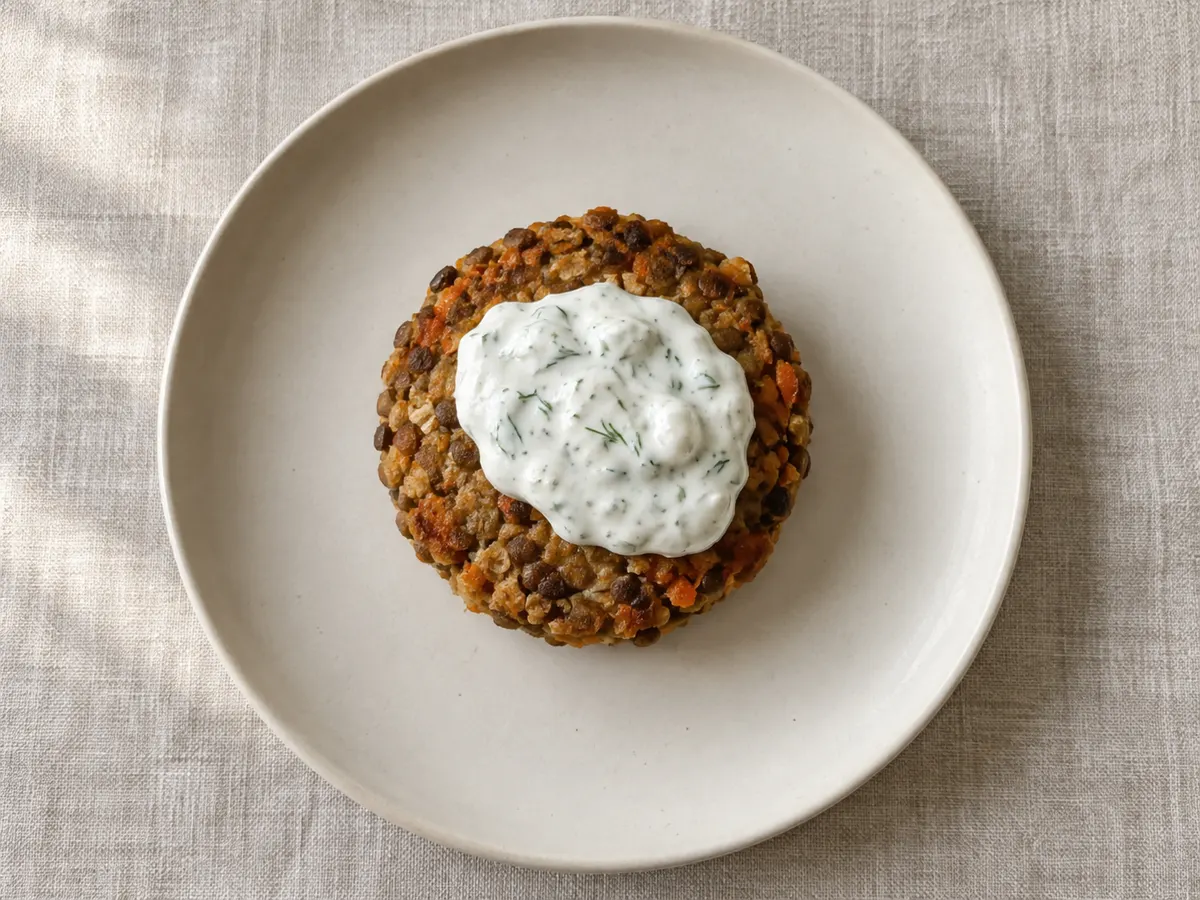
215 kcal15.4 grams of protein45 min
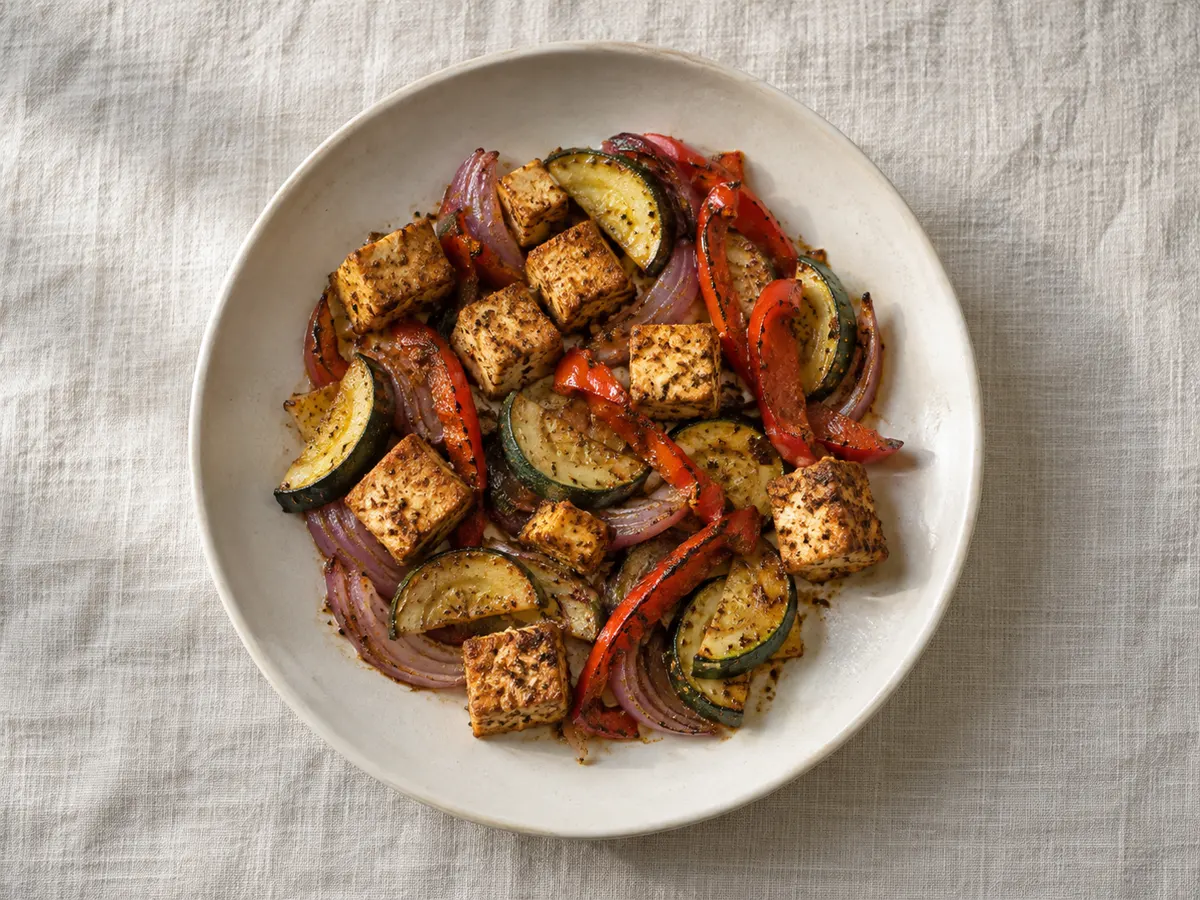
206 kcal15.7 grams of protein40 min
Sources
Nutrition values for each ingredient (USDA FoodData Central) and the satiety reference, with the access date.
- U.S. Department of Agriculture, Agricultural Research Service.USDA FoodData Central: Crustaceans, shrimp, mixed species, cooked, moist heat (may contain additives to retain moisture) (FDC ID 171971).accessed .
- U.S. Department of Agriculture, Agricultural Research Service.USDA FoodData Central: Yogurt, Greek, plain, nonfat (Includes foods for USDA's Food Distribution Program) (FDC ID 170894).accessed .
- U.S. Department of Agriculture, Agricultural Research Service.USDA FoodData Central: Tomatoes, red, ripe, raw, year round average (FDC ID 170457).accessed .
- U.S. Department of Agriculture, Agricultural Research Service.USDA FoodData Central: Lettuce, cos or romaine, raw (FDC ID 169247).accessed .
- U.S. Department of Agriculture, Agricultural Research Service.USDA FoodData Central: Avocados, raw, all commercial varieties (FDC ID 171705).accessed .
- European Journal of Clinical Nutrition (PubMed).Holt SH, Miller JC, Petocz P, Farmakalidis E. A satiety index of common foods. Eur J Clin Nutr. 1995;49(9):675-90.accessed .