Dinner
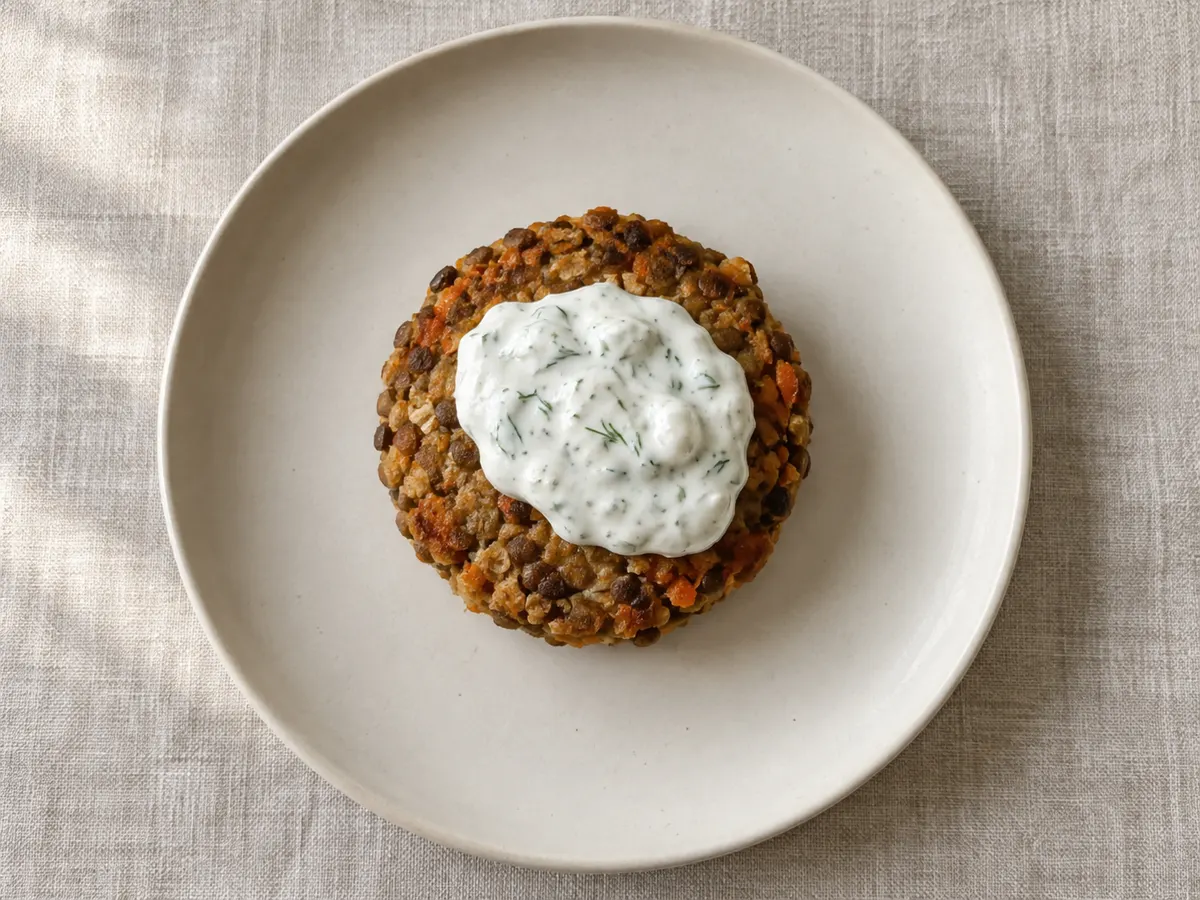
Baked lentil burgers with yogurt sauce
Each serving has 215 kcal, 15.4 g of protein, and 9.6 g of fiber, or 7.2 g of protein per 100 kcal. Ready in 45 minutes; makes 4 servings.
Per serving
- 215 kcalCalories
- 15.4 gProtein
- 9.6 gFiber
Calculated ingredient by ingredient from USDA FoodData Central. 7.2 g of protein per 100 kcal.
- Prepared by
- Alex Gonzalez
- Published
- Sources
- 8 primary
No clinical review. No advertising from drug companies and no affiliate links.How we work
Ingredients
- 400 g14 ozcooked lentils, well drained (about 2 cups)
- 40 g1.5 ozquick-cooking oats (about 1/2 cup)
- 55 g2 ozegg (1 large)
- 80 g3 ozgrated carrot (1 large)
- 40 g1.5 ozvery finely chopped onion (about 1/4 cup)
- 5 golive oil (1 teaspoon)
- 120 g4 ozplain nonfat Greek yogurt, for the sauce (about 1/2 cup)
- Ground cumin and paprika (1/2 teaspoon each)
- 1 garlic clove, grated
- Juice of 1/2 lemon and chopped dill or mint, for the sauce
- Salt and pepper to taste
Directions
- Preheat the oven to 400 °F (200 °C) and line a baking sheet with parchment paper.
- Drain the lentils very well and pat them dry with paper towels: wet lentils make burgers that fall apart.
- Blend half the lentils with the egg, garlic, cumin, and paprika into a paste, then mix it with the rest of the lentils, the oats, carrot, onion, salt, and pepper.
- Let the mixture rest for 10 minutes so the oats soak up the moisture, then shape 4 burgers about 3/4 inch (2 cm) thick.
- Place them on the sheet, brush them with the oil, and bake for 20 to 25 minutes, flipping them carefully halfway through.
- Meanwhile, stir the yogurt with the lemon juice, dill or mint, and a pinch of salt, and serve each burger with a generous spoonful of sauce.
Why it is filling
Lentils and oats bring fiber and plant protein, the egg binds the mixture, and the Greek yogurt sauce adds more protein with a cool texture that makes each bite easier to swallow. Baking means no frying, so they use very little oil. Like all legumes, lentils can give some people gas; small servings and chewing well help.
In numbers, each serving has 15.4 g of protein and 9.6 g of fiber, with an energy density of 116 kcal per 100 g of the dish. In the satiety index by Holt and colleagues (1995), the foods that were most filling per calorie were those with more protein, fiber, and water and less fat.
If your appetite is small
- One burger is one serving; if you are hungrier, add a salad or roasted vegetables rather than a bun.
- Baked burgers freeze well, separated with parchment paper, for up to 3 months; reheat them in the oven or a skillet.
- If a whole burger is hard to finish, crumble it over a salad with the sauce on top.
Nutrition facts
| Nutrient | Per serving | Whole recipe |
|---|---|---|
| Calories | 215 kcal | 858 kcal |
| Protein | 15.4 g | 61.7 g |
| Carbohydrates | 30.9 g | 123.6 g |
| Fiber | 9.6 g | 38.6 g |
| Fat | 3.8 g | 15.1 g |
| Approximate weight | 185 g (6.5 oz) | 740 g (26 oz) |
How it is calculated
Each ingredient contributes its per-100 g values from the site’s food database, multiplied by the amount in the recipe. Seasonings, water, and lemon or lime juice are not counted. It is an approximation: the actual size of the foods and how you cook them shift the result a little.
| Ingredient | Amount | Calories | Protein | Fiber |
|---|---|---|---|---|
| Cooked lentils | 400 g | 464 kcal | 36.1 g | 31.6 g |
| Rolled oats | 40 g | 152 kcal | 5.3 g | 4 g |
| Egg | 55 g | 79 kcal | 6.9 g | 0 g |
| Carrot | 80 g | 33 kcal | 0.7 g | 2.2 g |
| Onion | 40 g | 16 kcal | 0.4 g | 0.7 g |
| Olive oil | 5 g | 44 kcal | 0 g | 0 g |
| Nonfat Greek yogurt | 120 g | 71 kcal | 12.2 g | 0 g |
To plan your meals
- Daily protein calculator: an indicative protein range per day and per meal, to see how much of it this recipe covers.
- Weekly menu for small appetites: seven days of small portions with the protein spread across meals, ready to print.
More recipes
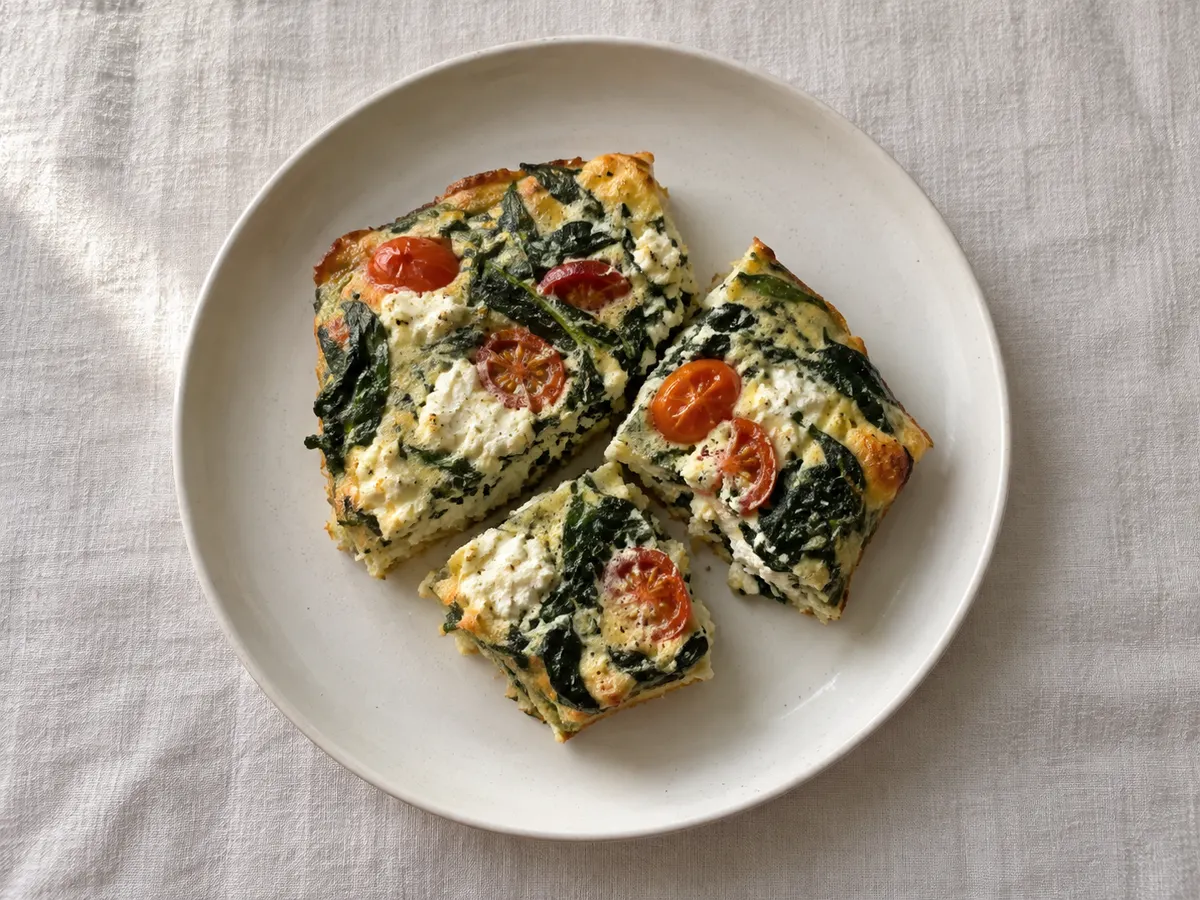
240 kcal28.8 grams of protein35 min
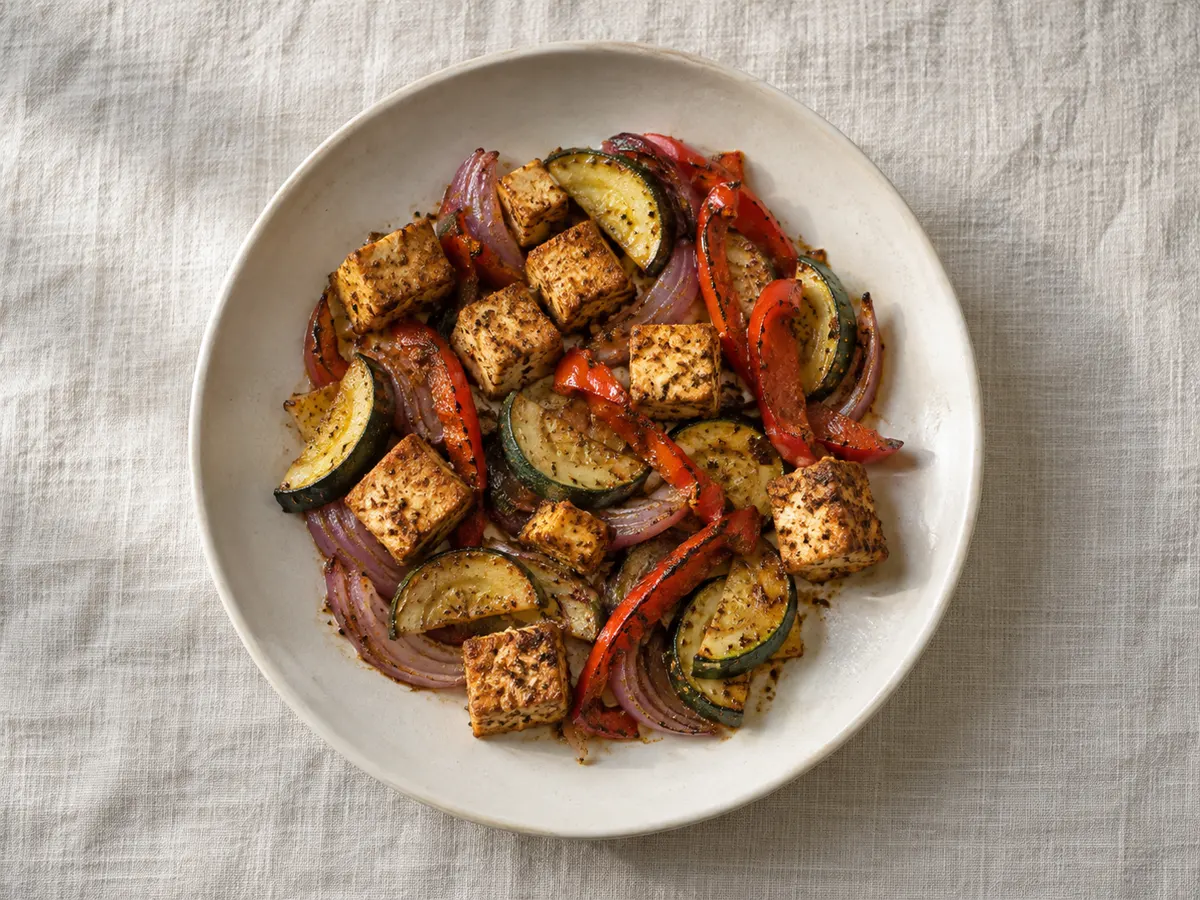
206 kcal15.7 grams of protein40 min
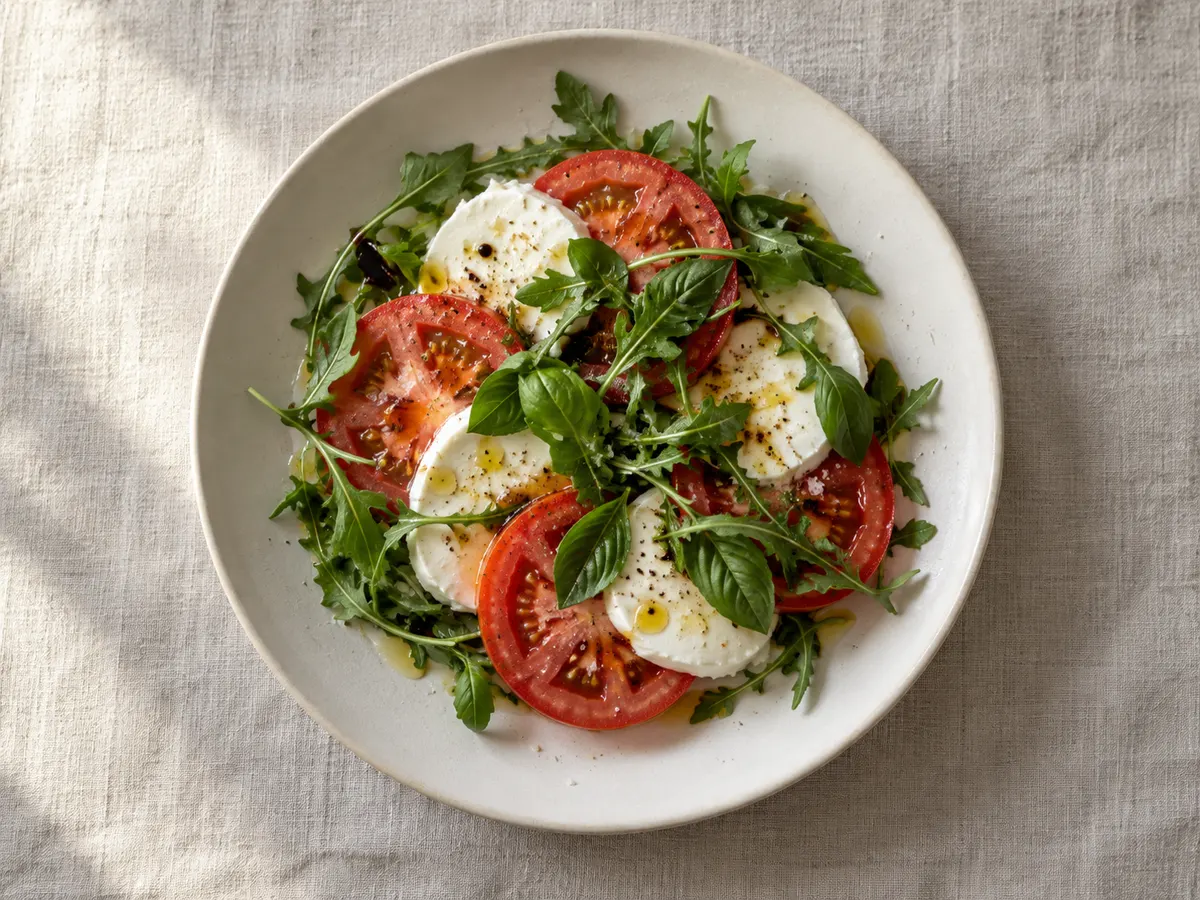
349 kcal27.1 grams of protein10 min
Sources
Nutrition values for each ingredient (USDA FoodData Central) and the satiety reference, with the access date.
- U.S. Department of Agriculture, Agricultural Research Service.USDA FoodData Central: Lentils, mature seeds, cooked, boiled, without salt (FDC ID 172421).accessed .
- U.S. Department of Agriculture, Agricultural Research Service.USDA FoodData Central: Cereals, oats, regular and quick, not fortified, dry (FDC ID 173904).accessed .
- U.S. Department of Agriculture, Agricultural Research Service.USDA FoodData Central: Egg, whole, raw, fresh (FDC ID 171287).accessed .
- U.S. Department of Agriculture, Agricultural Research Service.USDA FoodData Central: Carrots, raw (FDC ID 170393).accessed .
- U.S. Department of Agriculture, Agricultural Research Service.USDA FoodData Central: Onions, raw (FDC ID 170000).accessed .
- U.S. Department of Agriculture, Agricultural Research Service.USDA FoodData Central: Oil, olive, salad or cooking (FDC ID 171413).accessed .
- U.S. Department of Agriculture, Agricultural Research Service.USDA FoodData Central: Yogurt, Greek, plain, nonfat (Includes foods for USDA's Food Distribution Program) (FDC ID 170894).accessed .
- European Journal of Clinical Nutrition (PubMed).Holt SH, Miller JC, Petocz P, Farmakalidis E. A satiety index of common foods. Eur J Clin Nutr. 1995;49(9):675-90.accessed .