Lunch
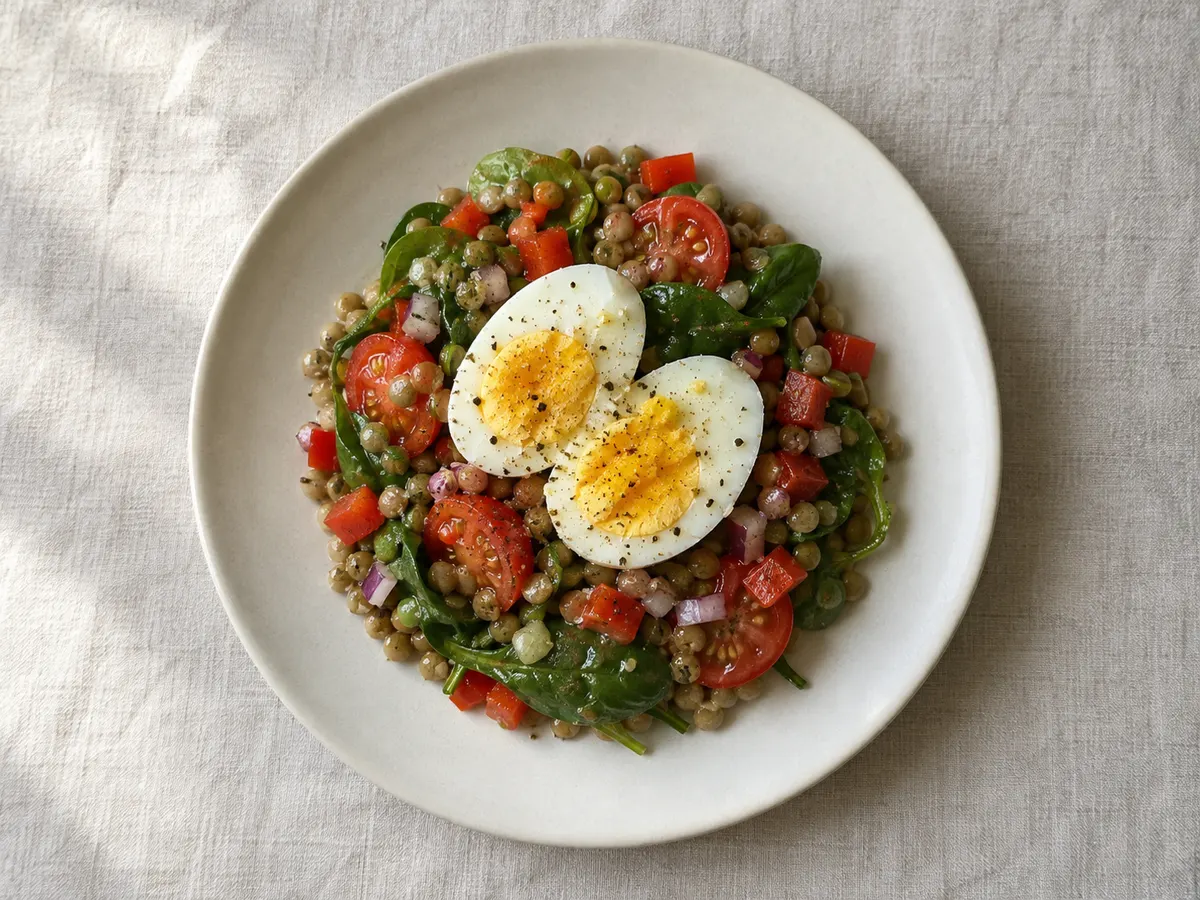
Warm lentil salad with egg
Each serving has 340 kcal, 22.5 g of protein, and 14.5 g of fiber, or 6.6 g of protein per 100 kcal. Ready in 20 minutes; makes 2 servings.
Per serving
- 340 kcalCalories
- 22.5 gProtein
- 14.5 gFiber
Calculated ingredient by ingredient from USDA FoodData Central. 6.6 g of protein per 100 kcal.
- Prepared by
- Alex Gonzalez
- Published
- Sources
- 8 primary
No clinical review. No advertising from drug companies and no affiliate links.How we work
Ingredients
- 300 g11 ozcanned cooked lentils, rinsed and drained (about 1 1/2 cups)
- 110 g4 ozhard-boiled eggs (2 large)
- 150 g5.5 ozcherry tomatoes, halved (about 1 cup)
- 80 g3 ozfinely diced red bell pepper (about 1/2 large pepper)
- 60 g2 ozbaby spinach (about 2 cups)
- 30 g1 ozfinely chopped red onion (about 3 tablespoons)
- 10 golive oil (2 teaspoons)
- 1 teaspoon mustard
- 1 tablespoon wine vinegar or lemon juice
- Cumin, salt, and pepper to taste
Directions
- If you have no hard-boiled eggs on hand, boil the eggs for 10 minutes, cool them in cold water, peel them, and cut them into quarters.
- Rinse the lentils under the tap, drain them, and warm them for 3 minutes in a skillet or the microwave with a pinch of cumin.
- Whisk the oil with the mustard, vinegar, salt, and pepper.
- In a serving bowl, toss the warm lentils with the spinach, which wilts in the heat, and the tomatoes, bell pepper, and onion.
- Add the dressing, divide between two plates, and top with the egg.
Why it is filling
Lentils bring fiber and plant protein, and the egg rounds out the protein on the plate. Served warm and without broth, they are a light way to eat legumes any time of year, and the vegetables add volume, color, and water for very few calories. Like any legume, lentils can cause gas: rinsing canned lentils well and starting with small servings helps.
In numbers, each serving has 22.5 g of protein and 14.5 g of fiber, with an energy density of 92 kcal per 100 g of the dish. In the satiety index by Holt and colleagues (1995), the foods that were most filling per calorie were those with more protein, fiber, and water and less fat.
If your appetite is small
- Store the dressed lentils and the eggs separately: they keep for 2 days in the fridge and are good cold too.
- If the serving is too much, start with the egg and half the lentils, the most filling part.
- If raw onion repeats on you, leave it out or soak it for 10 minutes in water with a splash of vinegar before adding it.
Nutrition facts
| Nutrient | Per serving | Whole recipe |
|---|---|---|
| Calories | 340 kcal | 680 kcal |
| Protein | 22.5 g | 45.1 g |
| Carbohydrates | 38.6 g | 77.2 g |
| Fiber | 14.5 g | 29 g |
| Fat | 11.8 g | 23.6 g |
| Approximate weight | 370 g (13 oz) | 740 g (26 oz) |
How it is calculated
Each ingredient contributes its per-100 g values from the site’s food database, multiplied by the amount in the recipe. Seasonings, water, and lemon or lime juice are not counted. It is an approximation: the actual size of the foods and how you cook them shift the result a little.
| Ingredient | Amount | Calories | Protein | Fiber |
|---|---|---|---|---|
| Cooked lentils | 300 g | 348 kcal | 27.1 g | 23.7 g |
| Hard-boiled egg | 110 g | 171 kcal | 13.9 g | 0 g |
| Tomato | 150 g | 27 kcal | 1.3 g | 1.8 g |
| Red bell pepper | 80 g | 21 kcal | 0.8 g | 1.7 g |
| Spinach | 60 g | 14 kcal | 1.7 g | 1.3 g |
| Onion | 30 g | 12 kcal | 0.3 g | 0.5 g |
| Olive oil | 10 g | 88 kcal | 0 g | 0 g |
To plan your meals
- Daily protein calculator: an indicative protein range per day and per meal, to see how much of it this recipe covers.
- Weekly menu for small appetites: seven days of small portions with the protein spread across meals, ready to print.
More recipes
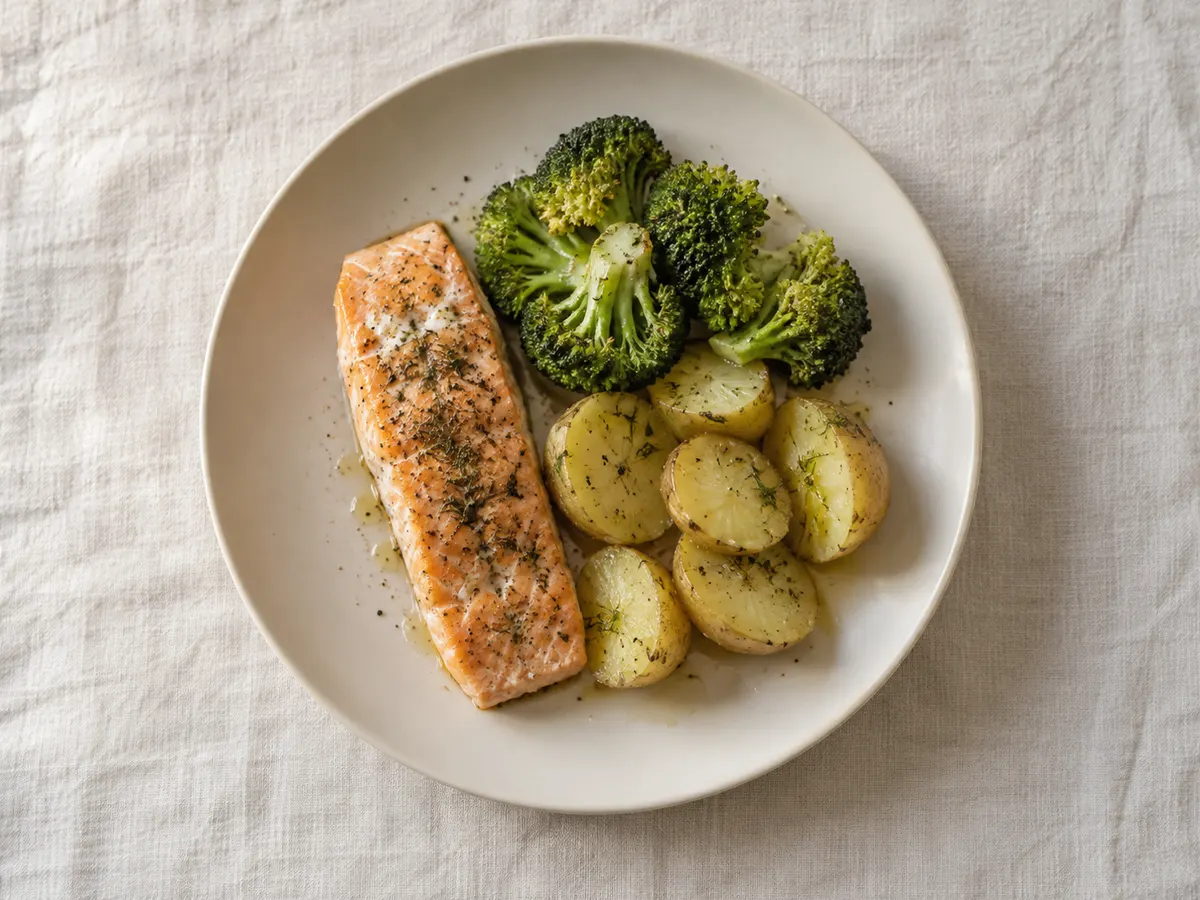
432 kcal30.6 grams of protein30 min
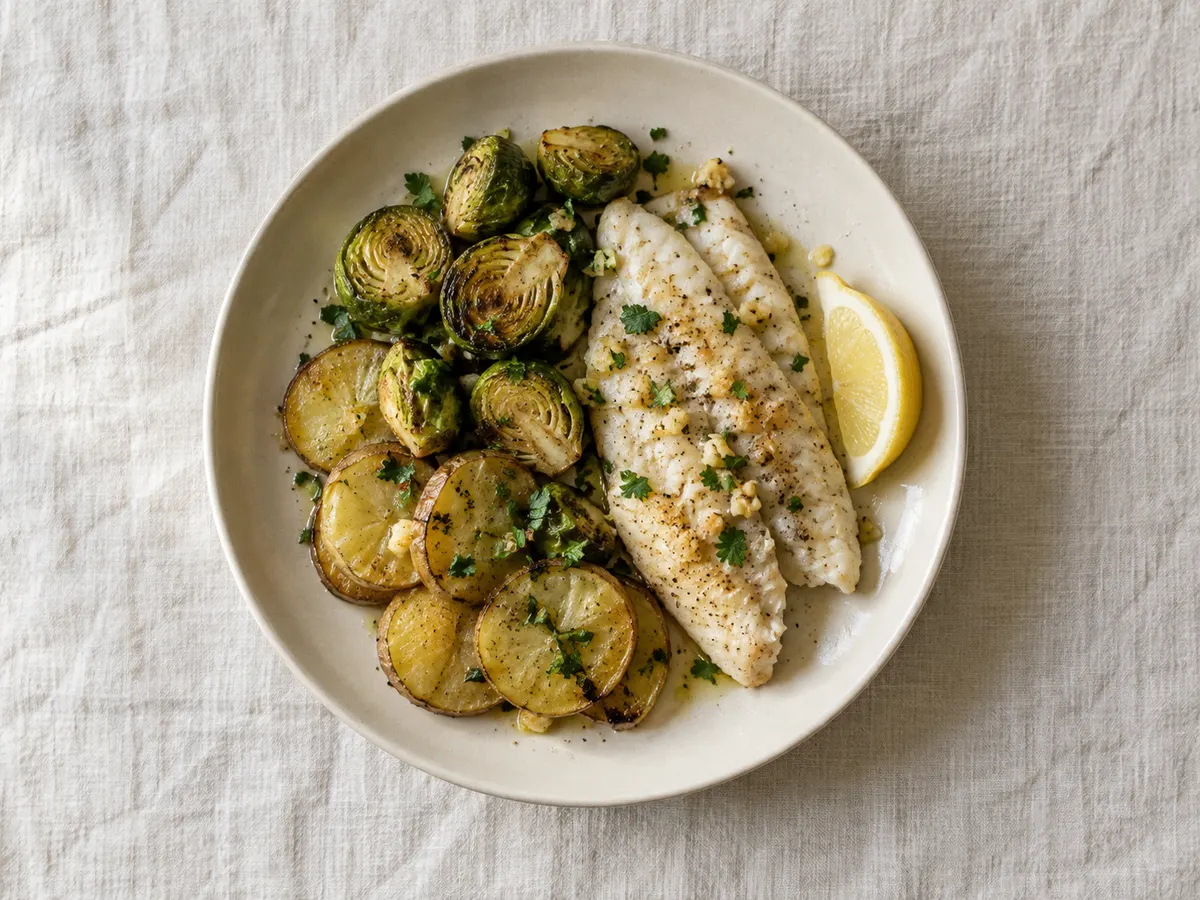
324 kcal32.8 grams of protein35 min
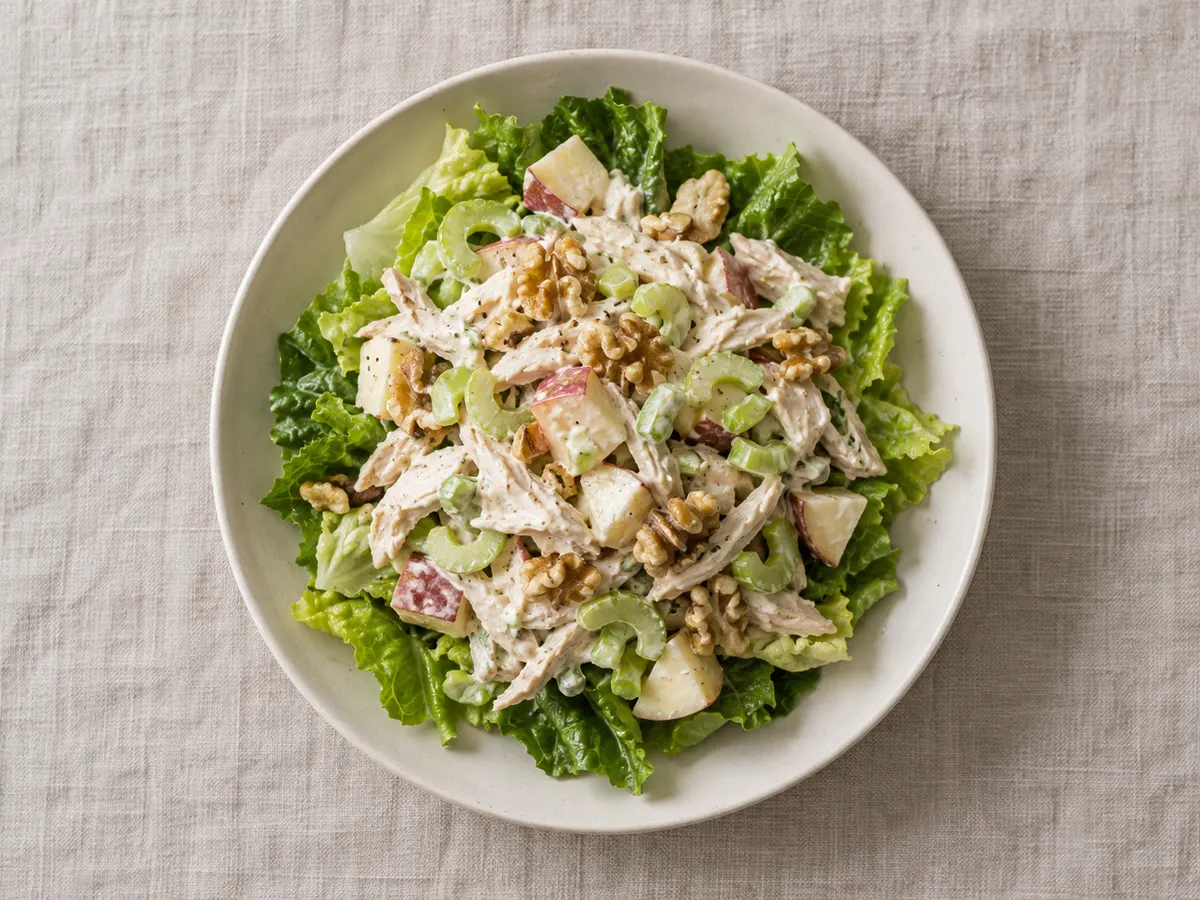
269 kcal33.5 grams of protein10 min
Sources
Nutrition values for each ingredient (USDA FoodData Central) and the satiety reference, with the access date.
- U.S. Department of Agriculture, Agricultural Research Service.USDA FoodData Central: Lentils, mature seeds, cooked, boiled, without salt (FDC ID 172421).accessed .
- U.S. Department of Agriculture, Agricultural Research Service.USDA FoodData Central: Egg, whole, cooked, hard-boiled (FDC ID 173424).accessed .
- U.S. Department of Agriculture, Agricultural Research Service.USDA FoodData Central: Tomatoes, red, ripe, raw, year round average (FDC ID 170457).accessed .
- U.S. Department of Agriculture, Agricultural Research Service.USDA FoodData Central: Peppers, sweet, red, raw (FDC ID 170108).accessed .
- U.S. Department of Agriculture, Agricultural Research Service.USDA FoodData Central: Spinach, raw (FDC ID 168462).accessed .
- U.S. Department of Agriculture, Agricultural Research Service.USDA FoodData Central: Onions, raw (FDC ID 170000).accessed .
- U.S. Department of Agriculture, Agricultural Research Service.USDA FoodData Central: Oil, olive, salad or cooking (FDC ID 171413).accessed .
- European Journal of Clinical Nutrition (PubMed).Holt SH, Miller JC, Petocz P, Farmakalidis E. A satiety index of common foods. Eur J Clin Nutr. 1995;49(9):675-90.accessed .