Vegetables and starchy roots
Cucumber
Cucumber is 95% water, so 100 g (3.5 oz) brings only 15 kcal and 0.5 g of fiber.
Estimated satietyHow it is calculated
Estimated satiety: 5 out of 5
| Starting point | +1 |
|---|---|
| Very low energy density | +2 |
| Moderate protein per calorie | +1 |
| Moderate fiber per calorie | +1 |
| High water content | +1 |
| Sum | 6 |
| Capped at 5 | 5 |
Our own estimate from the values per 100 g: useful for comparing foods with each other, not a measurement in people. Holt index (1995): this food was not measured.
- Prepared by
- Alex Gonzalez
- Last updated
- Next review
- Sources
- 3 primary
- Data
- USDA FDC 168409
No clinical review. No advertising from drug companies and no affiliate links.How we work
Nutrition facts
- Calories
- 15 kcal per serving
- 15 kcal per 100 g (3.5 oz)
- Protein
- 0.7 g per serving
- 0.7 g per 100 g (3.5 oz)
- Carbohydrates
- 3.6 g per serving
- 3.6 g per 100 g (3.5 oz)
- of which sugars
- 1.7 g per serving
- 1.7 g per 100 g (3.5 oz)
- Fiber
- 0.5 g per serving
- 0.5 g per 100 g (3.5 oz)
- Fat
- 0.1 g per serving
- 0.1 g per 100 g (3.5 oz)
- of which saturated
- 0 g per serving
- 0 g per 100 g (3.5 oz)
- Water
- 95.2 g per serving
- 95.2 g per 100 g (3.5 oz)
Source: USDA FoodData Central: Cucumber, with peel, raw (FDC ID 168409), accessed September 23, 2026.
A typical 100 g (3.5 oz) serving provides about 15 kcal, 0.7 g of protein, and 0.5 g of fiber.
What it is and how to eat it
Cucumber (Cucumis sativus) belongs to the same family as melons and squash, and it is eaten mostly raw, with or without the peel. It is sold year-round in short and long varieties, and gherkins, which are smaller, are sold mostly pickled. This page covers raw cucumber with the peel, with 15 kcal, 95.2 g of water and 0.5 g of fiber per 100 g according to USDA.
A 100 g (3.5 oz) serving provides 15 kcal, 95 g of water and barely 0.7 g of protein, so it is refreshing and adds volume, but it does not count as the protein part of the plate. It goes well with dairy and lean deli meats, as in the cottage cheese with cucumber and dill or the ham roll-ups with queso fresco and cucumber, and the 2025 nutrition advisory on GLP-1 therapy suggests eating the protein part of a meal first. It is cold, almost fat-free and low in fiber, so it is usually well tolerated in the first few days of treatment, when the same advisory suggests avoiding fatty and very high-fiber foods; if the peel repeats on you, peel it.
What the evidence says
According to USDA it has 95.2 g of water per 100 g, more than the 12 solid foods in the table of this site's guide to hydration, although its usual 100 g serving keeps it off that list of the foods that provide the most water per serving. Those 95 g are almost 5% of the 2.0 liters of total water a day that EFSA sets as the adequate intake for adult women (2.5 liters for men), a reference that counts both drinks and food, and EFSA assumes that food normally provides 20% to 30% of total water. I have not found trials showing that cucumber itself helps with weight loss or "detoxes" the body: what it provides is water and volume with very few calories.
Recipes with this food
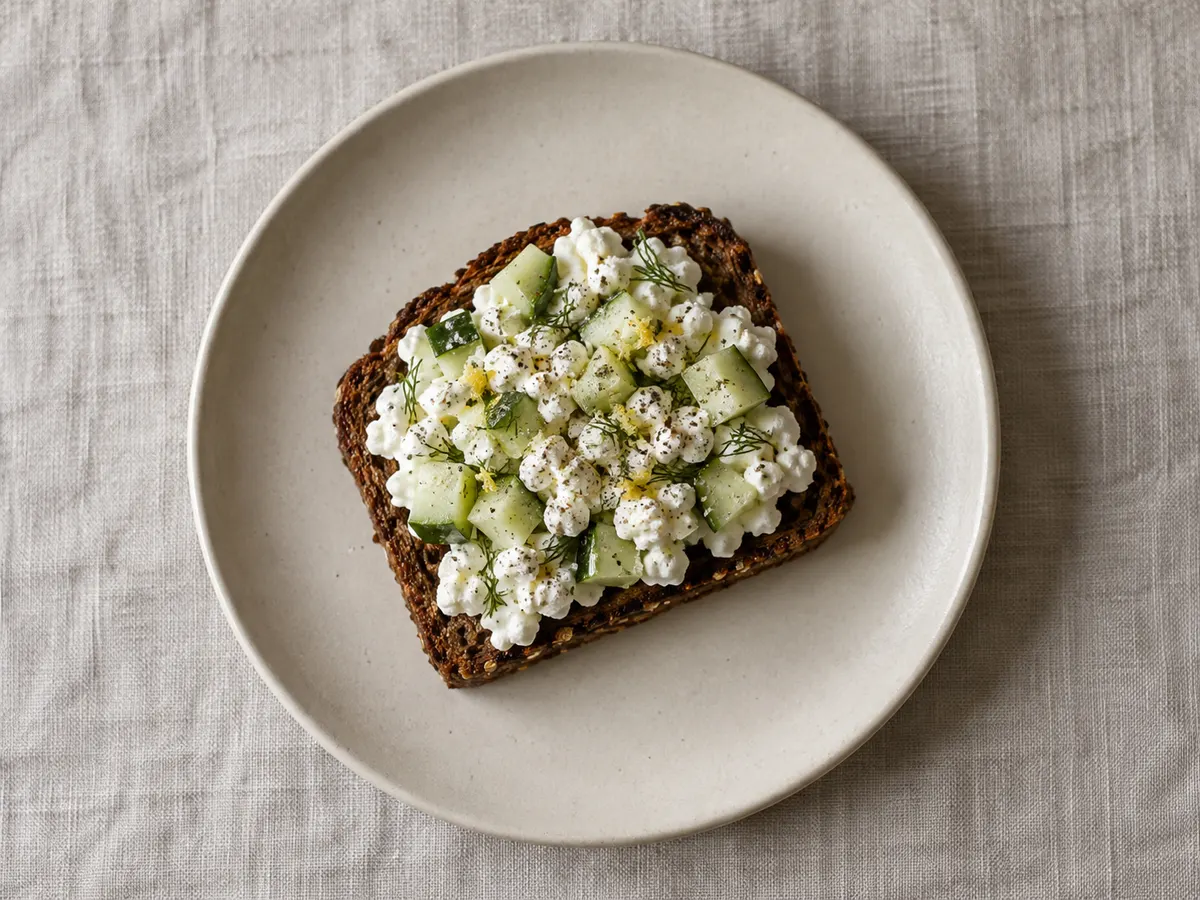 Cottage cheese with cucumber and dill18.9 g protein per serving
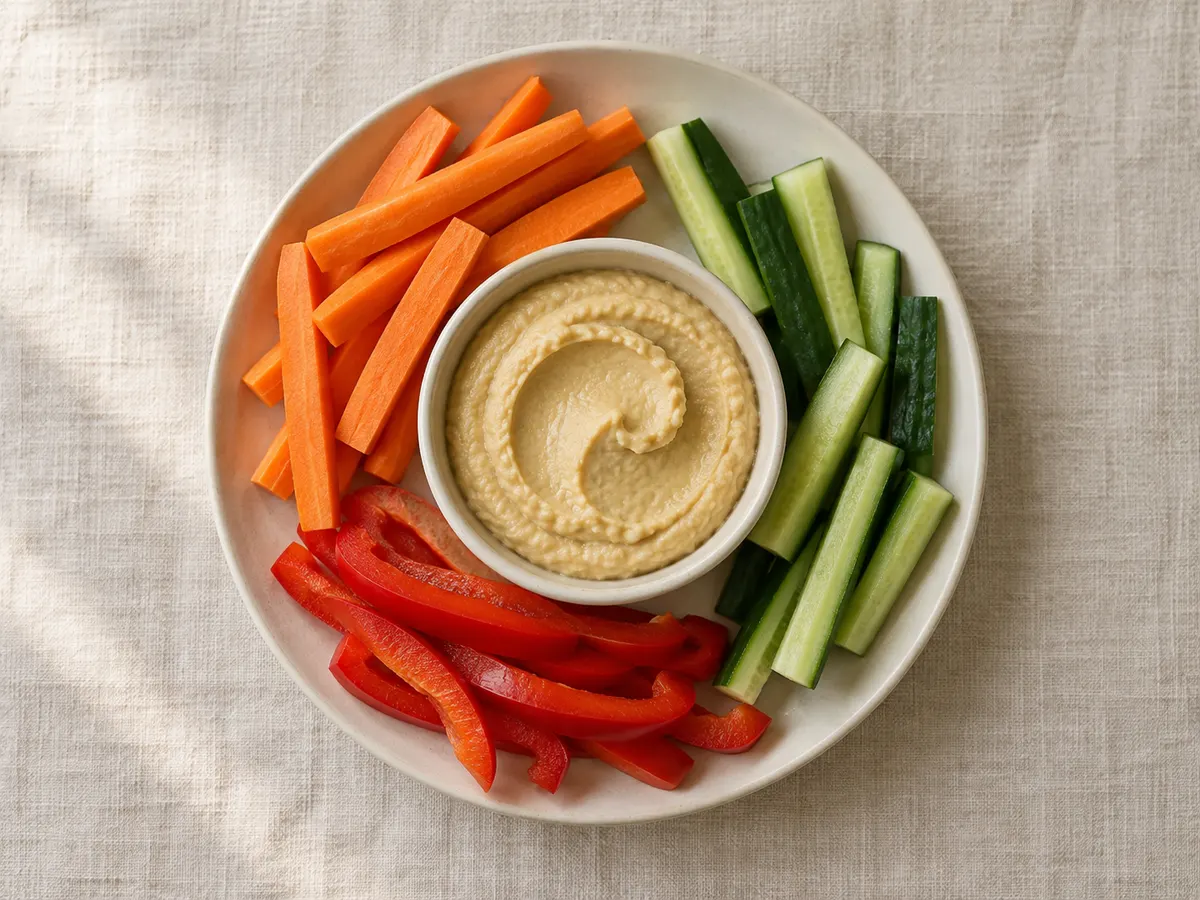 Hummus with vegetable sticks5.5 g protein per serving
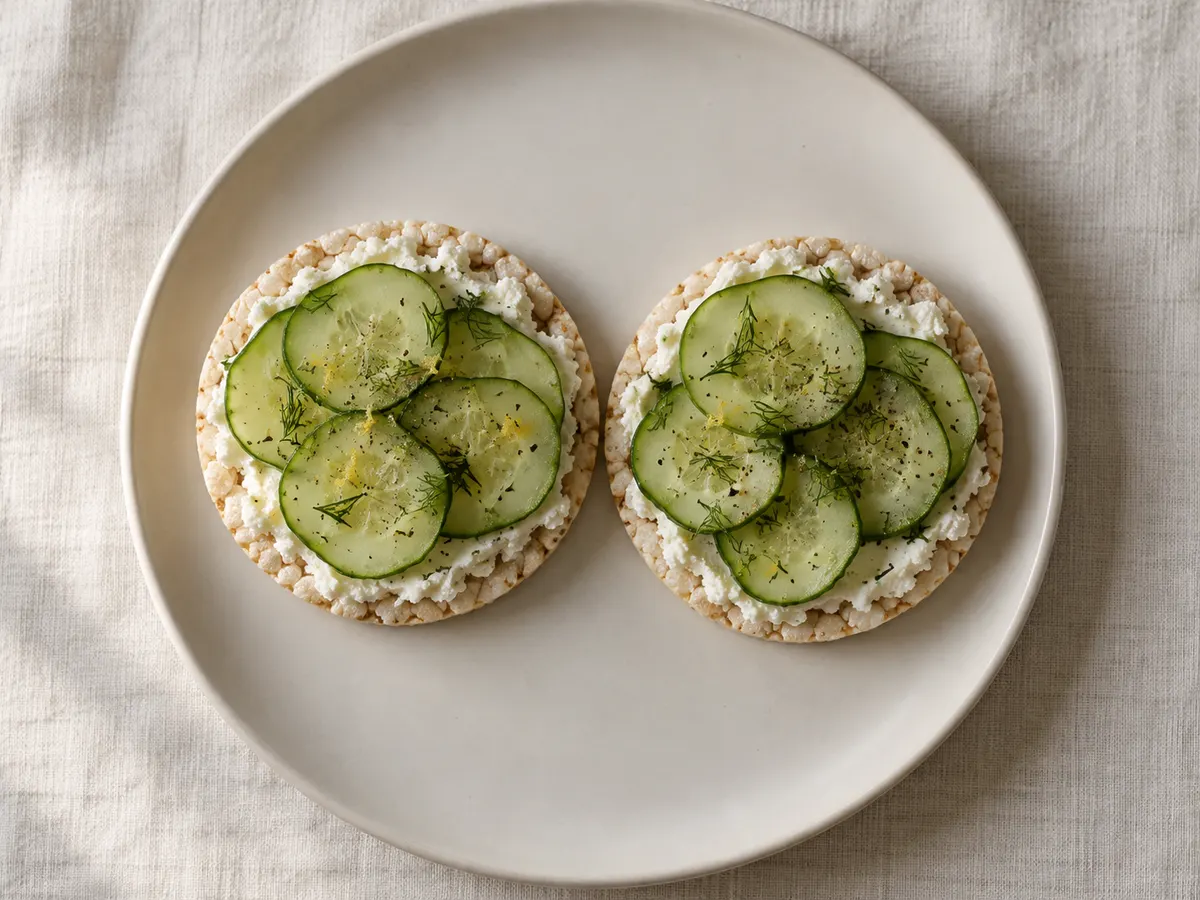 Rice cakes with ricotta, cucumber, and dill13.2 g protein per serving
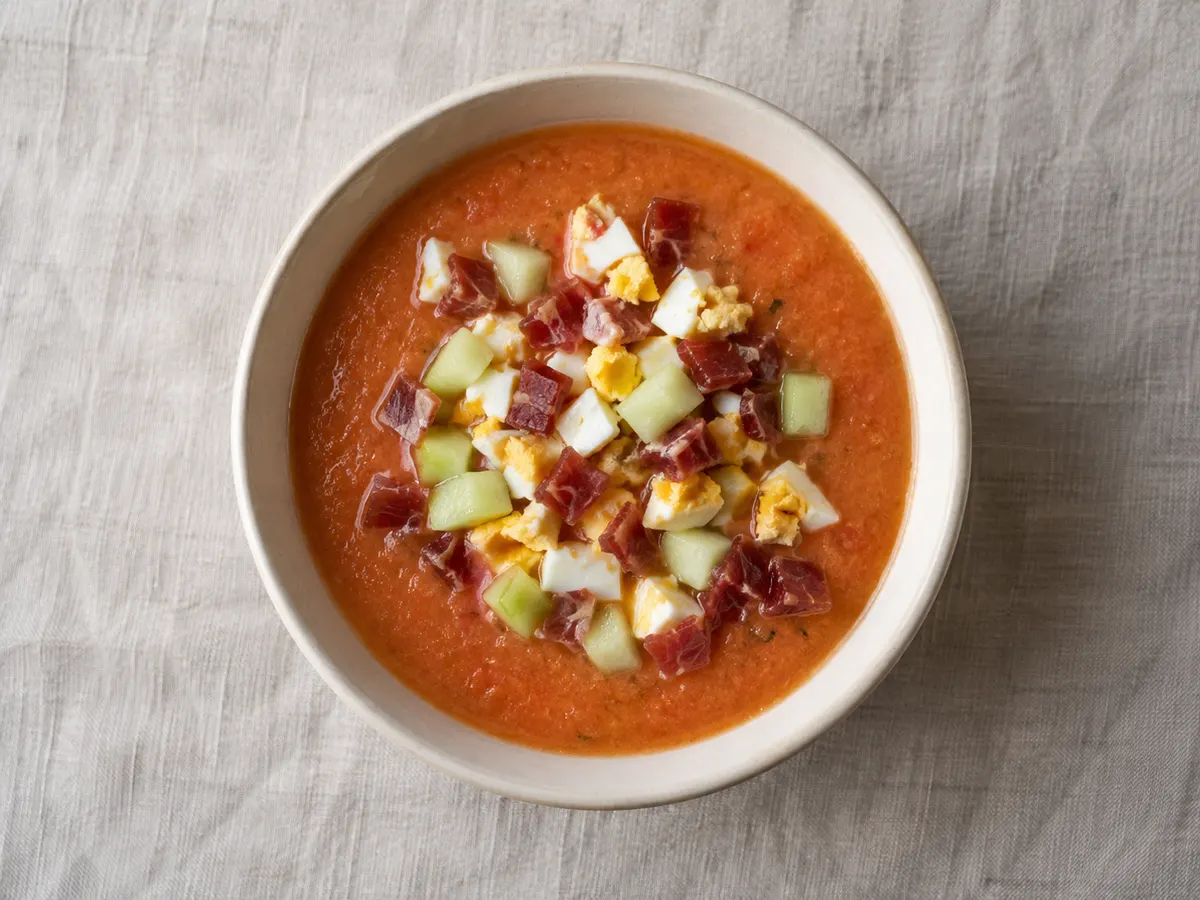 Gazpacho with hard-boiled egg and serrano ham18 g protein per serving
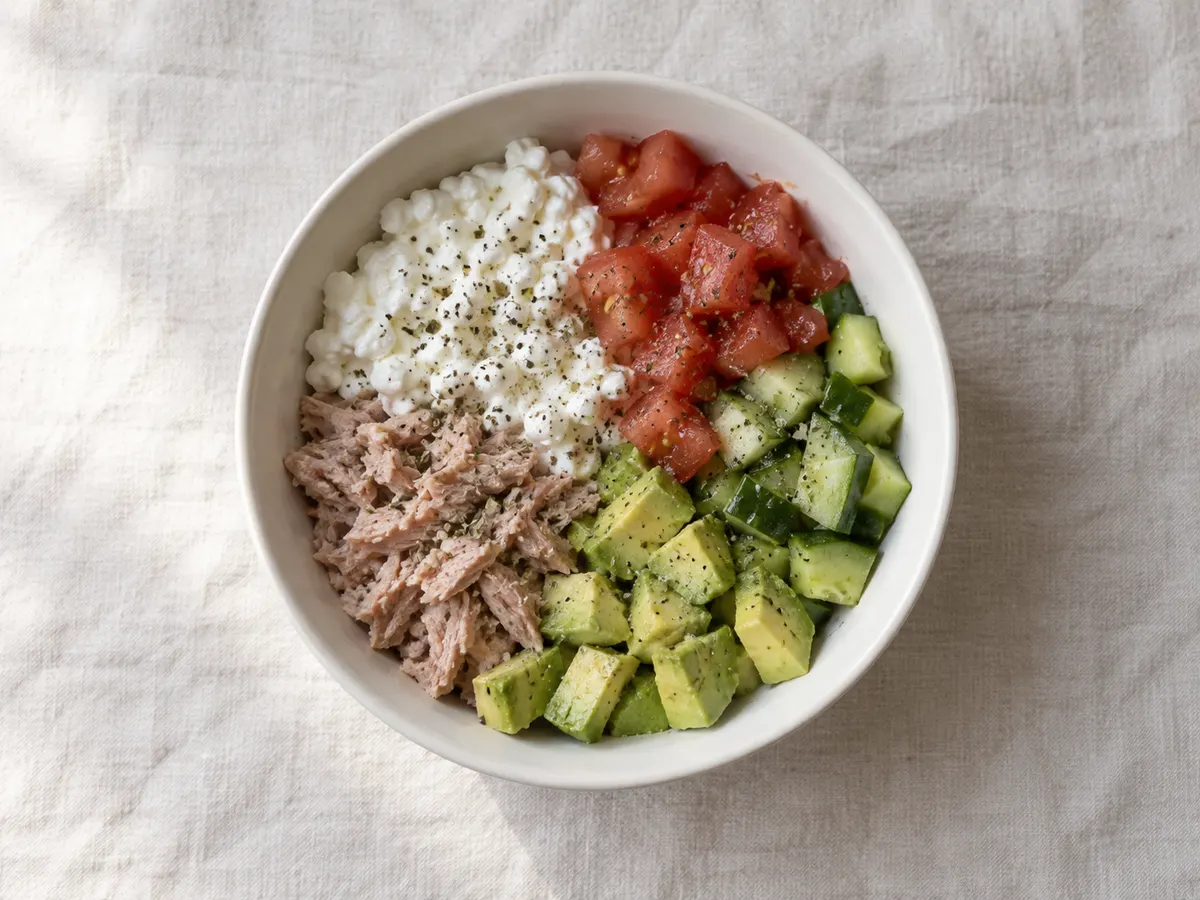 Cottage cheese bowl with tuna, tomato, and avocado33.1 g protein per serving
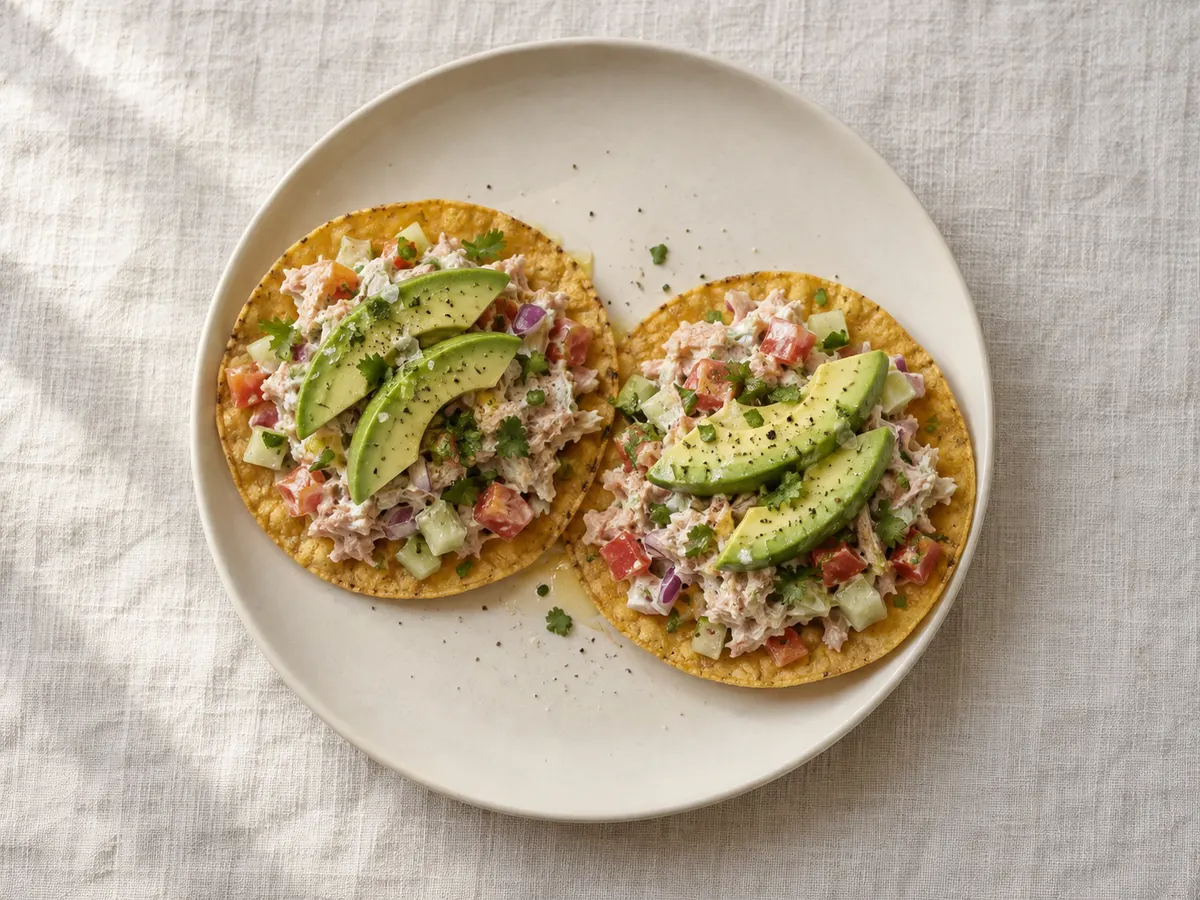 Mexican-style tuna tostadas32.1 g protein per serving
Satiety
The 1 to 5 score is our own estimate: it starts at 1 point, adds points for low energy density, for protein and fiber per 100 kcal, and for the water in solid foods, and subtracts points for drinks with calories. It is useful for comparing foods with each other; it is not a measurement in people.
What to keep in mind on a GLP-1 medication
Frequently asked questions about cucumber
How many grams of protein are in a 100 g (3.5 oz) serving of cucumber?
100 g (3.5 oz) of cucumber has 0.7 g of protein. A typical 100 g (3.5 oz) serving has about 0.7 g of protein. That is 4.3 g of protein per 100 kcal.
How many kcal are in a 100 g (3.5 oz) serving of cucumber?
100 g (3.5 oz) of cucumber has 15 kcal. A typical 100 g (3.5 oz) serving has about 15 kcal. That is a very low energy density.
How much fiber is in a 100 g (3.5 oz) serving of cucumber?
100 g (3.5 oz) of cucumber has 0.5 g of fiber. A typical 100 g (3.5 oz) serving has about 0.5 g of fiber.
Does cucumber keep you full?
Yes, very filling for the calories it provides: our estimated satiety score is 5 out of 5. It is based on: very low energy density; moderate protein per calorie; moderate fiber per calorie; high water content. It is an estimate based on its composition, not a measurement in people.
How does cucumber fit into eating on Ozempic, Wegovy, Mounjaro, or Zepbound?
Based on our tags, this is what matters about cucumber on a GLP-1 medication. “Low energy density”: plenty of volume for few calories; make sure it does not push protein foods off your plate. “Hydrating”: a lot of water, which contributes to hydration when you eat and drink less. These are general guidelines, not medical advice: everyone tolerates foods differently.
What is a typical serving of cucumber?
We use 100 g (3.5 oz) as a typical serving. That amount provides about 15 kcal, 0.7 g of protein, and 0.5 g of fiber. It is a reference for calculations, not a recommendation of how much to eat.
Similar foods
Sources
Sources for the data on this page, with the access date.
- Official databaseU.S. Department of Agriculture, Agricultural Research Service.USDA FoodData Central: Cucumber, with peel, raw (FDC ID 168409).accessed .
- Clinical guidelineObesity (Wiley).Mozaffarian D, et al. Nutritional priorities to support GLP-1 therapy for obesity: A joint Advisory from the American College of Lifestyle Medicine, the American Society for Nutrition, the Obesity Medicine Association, and The Obesity Society. Obesity. 2025;33(8):1475-1503. doi:10.1002/oby.24336.accessed .
- RegulatorEFSA Journal.EFSA Panel on Dietetic Products, Nutrition and Allergies (NDA). Scientific Opinion on Dietary Reference Values for water. EFSA Journal. 2010;8(3):1459. doi:10.2903/j.efsa.2010.1459.accessed .