Meat, fish, and eggs
Firm tofu
Per 100 g (3.5 oz), firm tofu provides 9 g of protein, 0.9 g of fiber, and 78 kcal, a very low energy density.
Estimated satietyHow it is calculated
Estimated satiety: 5 out of 5
| Starting point | +1 |
|---|---|
| Very low energy density: 78 kcal/100 g | +2 |
| Protein: 11.6 g/100 kcal | +2 |
| Fiber: 1.2 g/100 kcal | 0 |
| Solid food with 82.9 g of water | +1 |
| Sum | 6 |
| Capped at 5 | 5 |
Our own estimate from the values per 100 g: useful for comparing foods with each other, not a measurement in people. Holt index (1995): this food was not measured.
- Prepared by
- Alex Gonzalez
- Last updated
- Next review
- Sources
- 8 primary
- Data
- USDA FDC 172448
No clinical review. No advertising from drug companies and no affiliate links.How we work
Nutrition facts
- Calories
- 78 kcal per serving
- 78 kcal per 100 g (3.5 oz)
- Protein
- 9 g per serving
- 9 g per 100 g (3.5 oz)
- Carbohydrates
- 2.9 g per serving
- 2.9 g per 100 g (3.5 oz)
- of which sugars
- 0.6 g per serving
- 0.6 g per 100 g (3.5 oz)
- Fiber
- 0.9 g per serving
- 0.9 g per 100 g (3.5 oz)
- Fat
- 4.2 g per serving
- 4.2 g per 100 g (3.5 oz)
- of which saturated
- 0.8 g per serving
- 0.8 g per 100 g (3.5 oz)
- Water
- 82.9 g per serving
- 82.9 g per 100 g (3.5 oz)
Source: USDA FoodData Central: Tofu, firm, prepared with calcium sulfate and magnesium chloride (nigari) (FDC ID 172448), accessed September 23, 2026.
A typical 100 g (3.5 oz) serving provides about 78 kcal, 9 g of protein, and 0.9 g of fiber.
What it is and how to eat it
Tofu is made by curdling soy milk with a salt such as magnesium chloride, called nigari, or calcium sulfate, and pressing the curds, much like a fresh cheese; that is why in some Spanish-speaking countries it is also called queso de soja or queso de soya (soy cheese). Depending on how much it is pressed, it is sold as silken, firm or extra-firm: silken tofu works in creamy soups and smoothies, and firm tofu for stir-frying, baking or grilling. This page covers firm tofu made with calcium sulfate and magnesium chloride, with 78 kcal, 9 g of protein and 201 mg of calcium per 100 g according to USDA.
A 100 g (3.5 oz) serving provides 9 g of protein and 78 kcal, with only 4.2 g of fat. The 2025 nutrition advisory on GLP-1 therapy suggests eating protein-rich foods first, and tofu is a soft, mild plant option that takes on the flavor of whatever it is cooked with, as in the tofu scramble with spinach and tomato or the baked tofu with paprika and vegetables. If you eat little, half a serving in a soup or stir-fried with a little oil still adds 4.5 g of protein. The same advisory suggests avoiding fatty foods in the first few days of treatment, so in those days, and after each dose increase, grilled, baked or in soup may sit better than fried.
What the evidence says
Protein provides almost half of its energy, far above the 20% the EU requires for a "high protein" claim, and with 201 mg of calcium per 100 g this tofu is a "source of calcium" (Regulations (EC) No 1924/2006 and (EU) No 1169/2011); calcium depends a lot on the coagulant, so check the label. Soy isoflavones have no authorized health claim in the EU: in 2012 EFSA concluded that it had not been shown that they help maintain bone density or reduce menopausal hot flashes. On safety, EFSA reviewed food supplements with isolated isoflavones in 2015 and found no evidence of harmful effects on the breast, uterus or thyroid in post-menopausal women at the doses and durations studied. That assessment covered supplements, not foods such as tofu, and lacked enough data to assess women in the transition to menopause or those with a personal or family history of cancer.
Recipes with this food
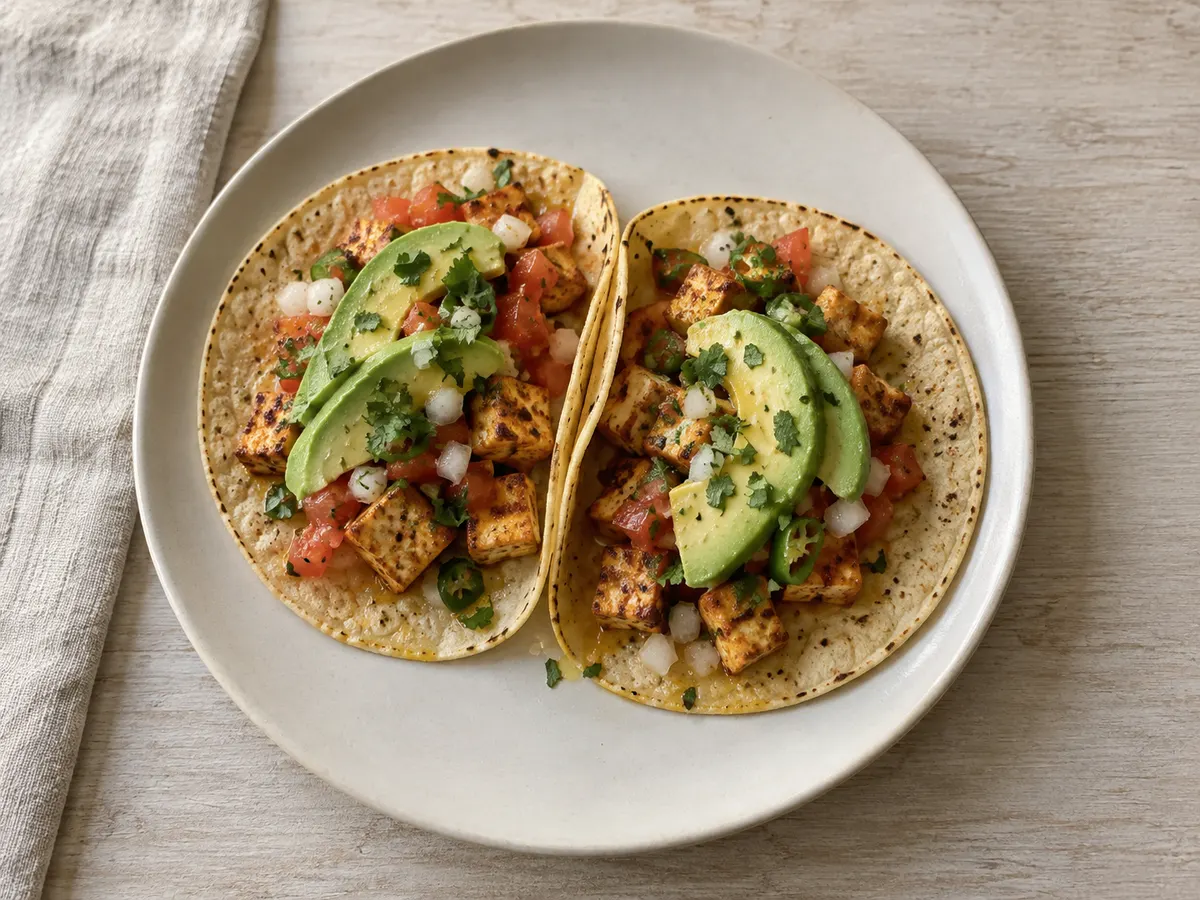 Mexican-style tofu tacos23 g protein per serving
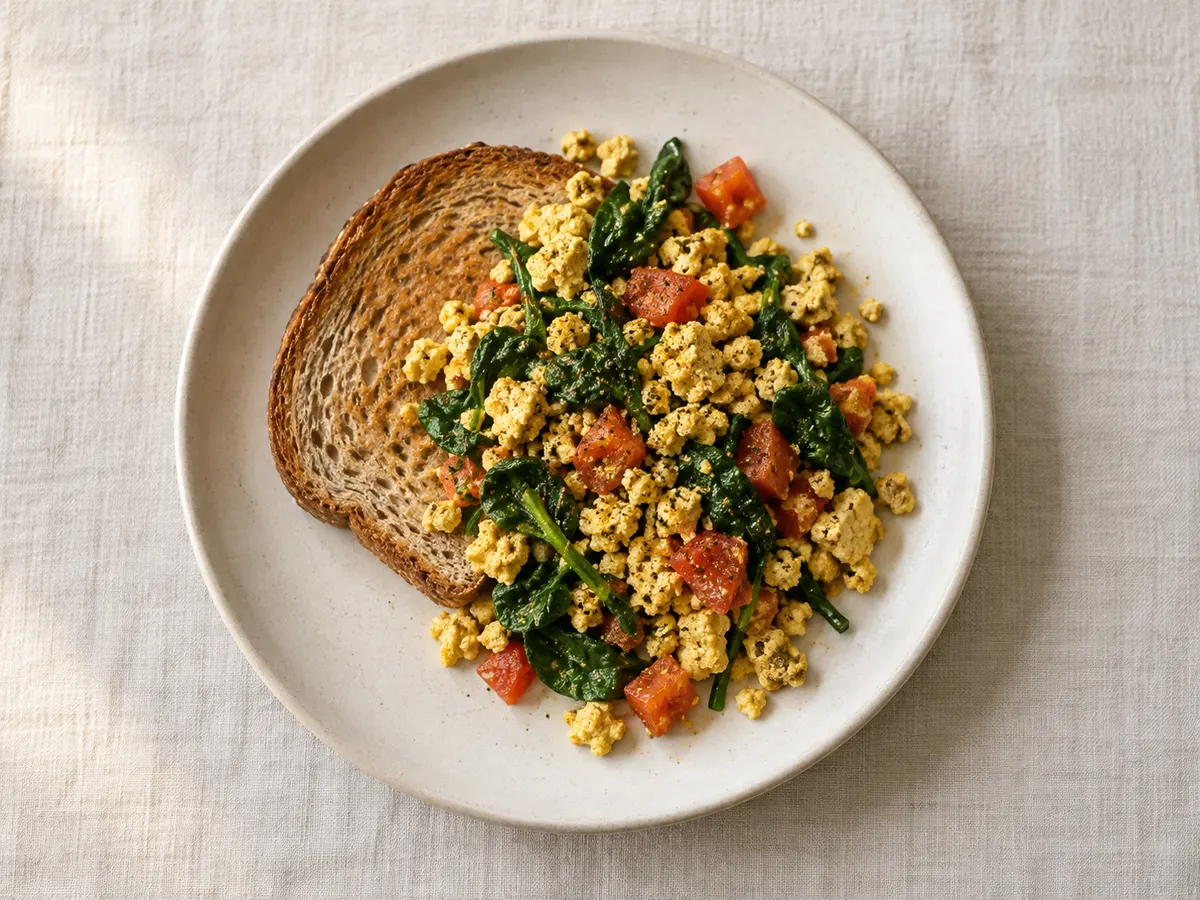 Tofu scramble with spinach and tomato19 g protein per serving
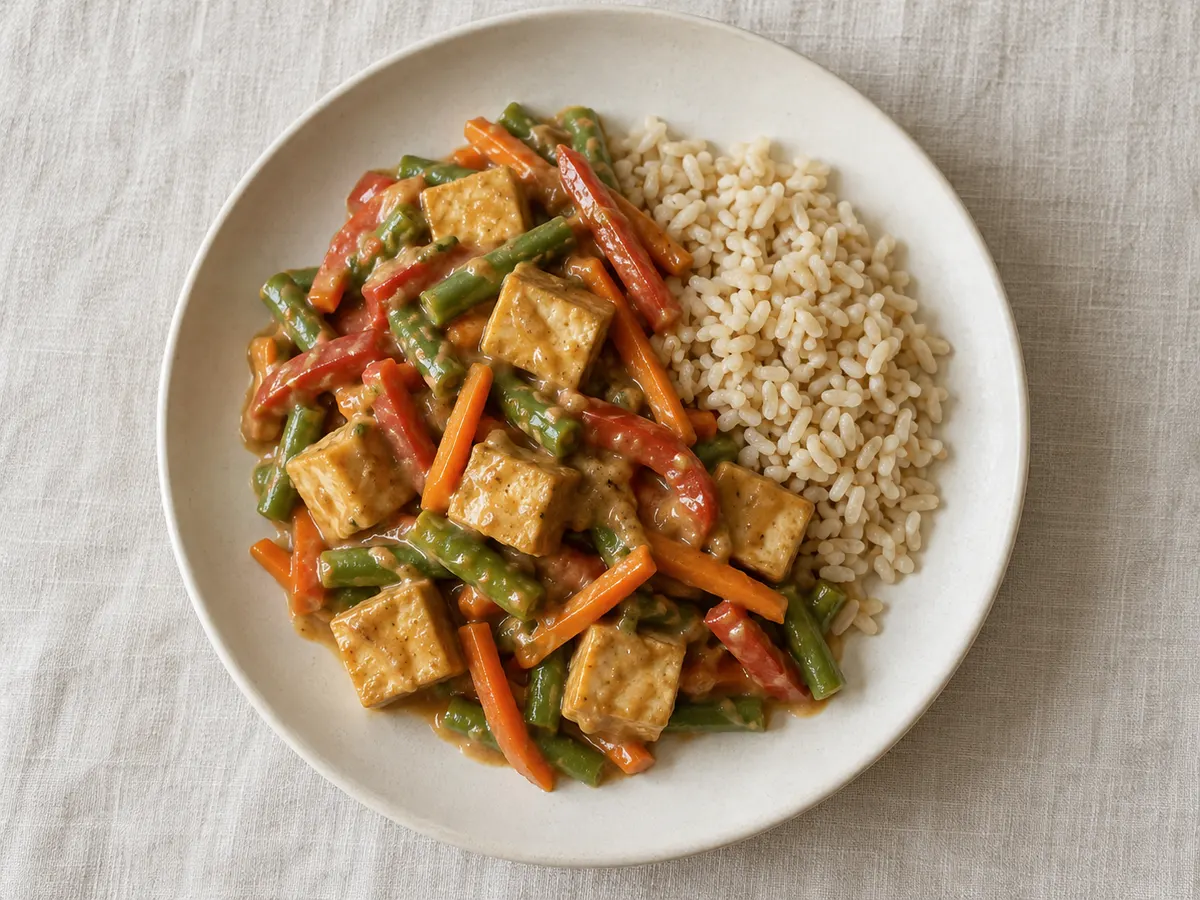 Tofu with peanut sauce and vegetables19 g protein per serving
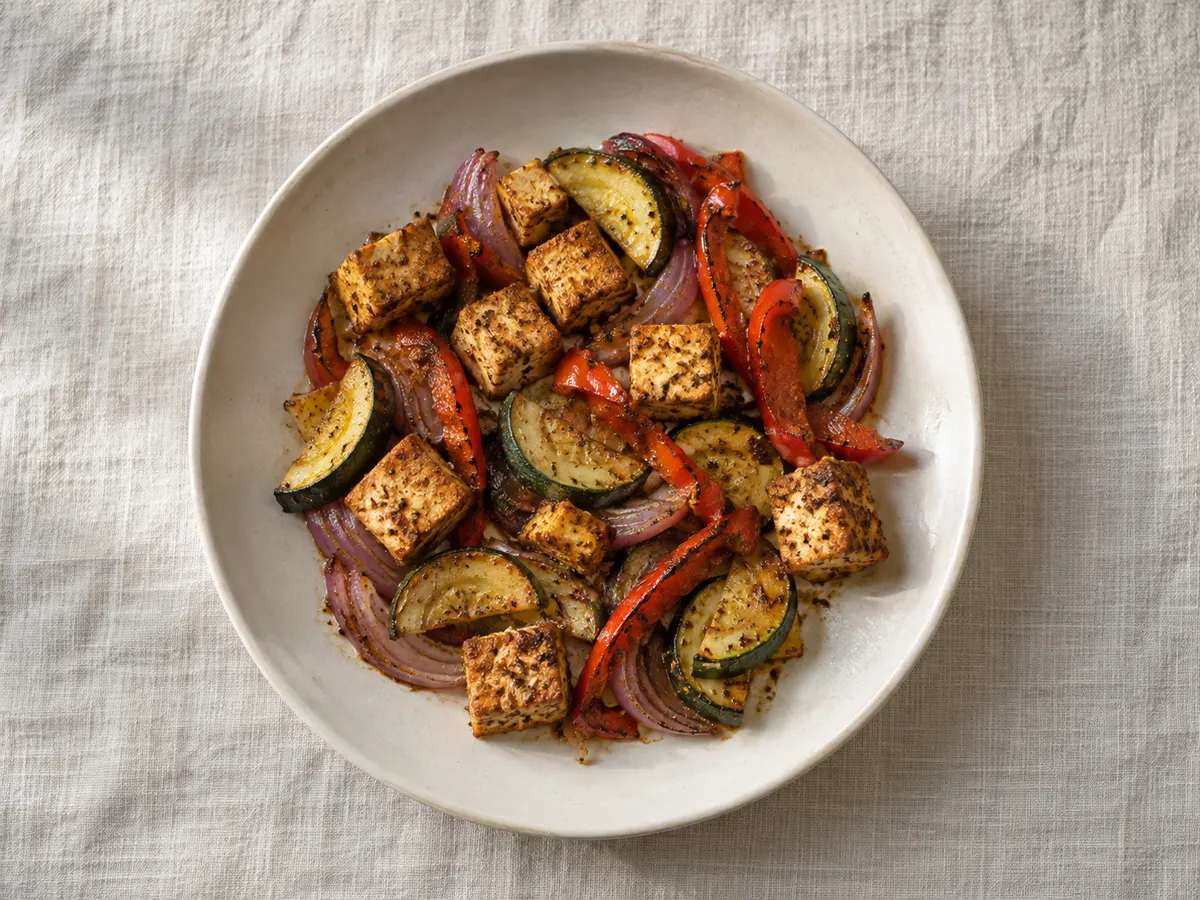 Baked tofu with paprika and vegetables15.7 g protein per serving
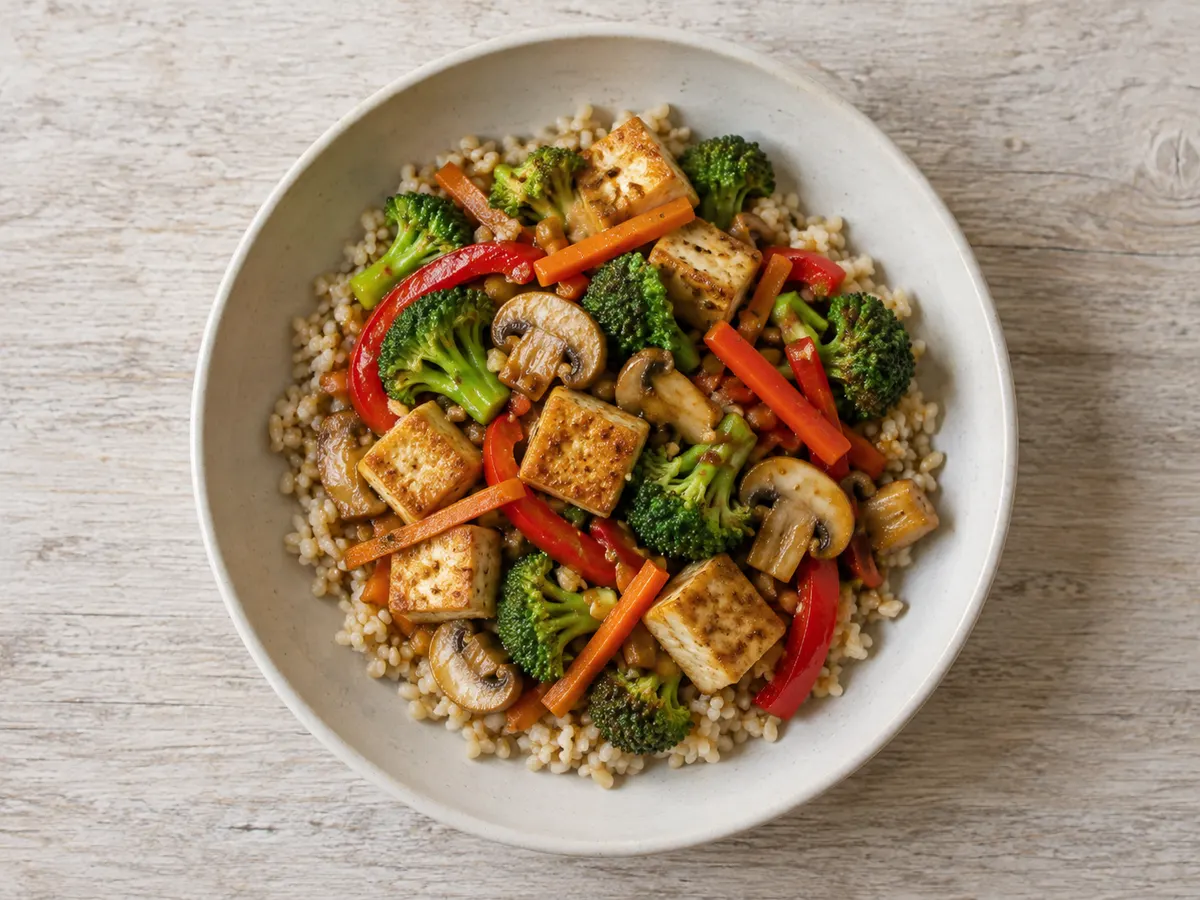 Stir-fried tofu with vegetables and brown rice18.6 g protein per serving
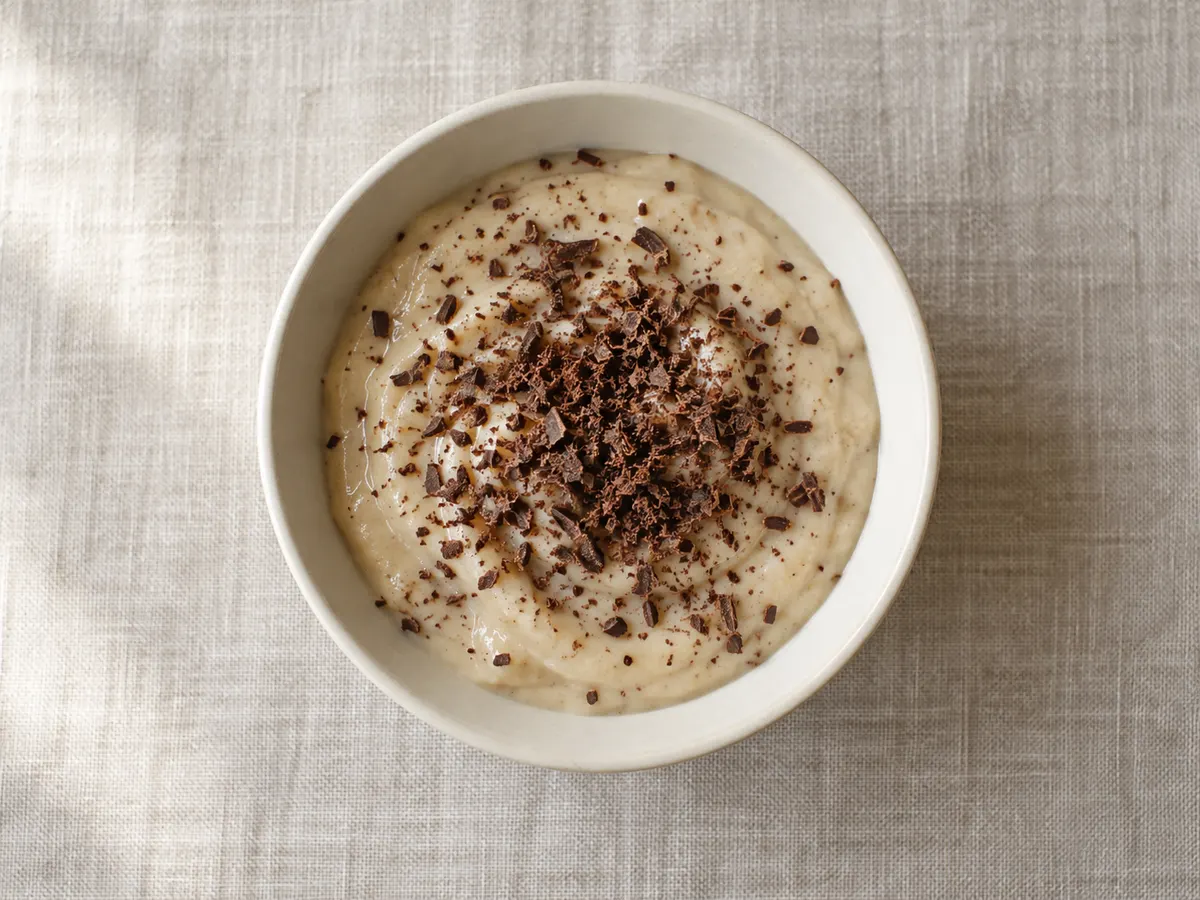 Tofu banana cream with grated dark chocolate13.4 g protein per serving
Satiety
The 1 to 5 score is our own estimate: it starts at 1 point, adds points for low energy density, for protein and fiber per 100 kcal, and for the water in solid foods, and subtracts points for drinks with calories. It is useful for comparing foods with each other; it is not a measurement in people.
What to keep in mind on a GLP-1 medication
Frequently asked questions about firm tofu
How much protein is in a 100 g (3.5 oz) serving of firm tofu?
100 g (3.5 oz) of firm tofu has 9 g of protein. A typical 100 g (3.5 oz) serving has about 9 g of protein. That is 11.6 g of protein per 100 kcal.
How many calories does a 100 g (3.5 oz) serving of firm tofu have?
100 g (3.5 oz) of firm tofu has 78 kcal. A typical 100 g (3.5 oz) serving has about 78 kcal. That is a very low energy density.
Does firm tofu have fiber?
100 g (3.5 oz) of firm tofu has 0.9 g of fiber. A typical 100 g (3.5 oz) serving has about 0.9 g of fiber.
Is firm tofu filling?
Yes, very filling for the calories it provides: our estimated satiety score is 5 out of 5. Calculation: 1 (base) + 2 (very low energy density: 78 kcal/100 g) + 2 (protein: 11.6 g/100 kcal) + 0 (fiber: 1.2 g/100 kcal) + 1 (solid food with 82.9 g of water) = 6; capped at 5. It is an estimate based on its composition, not a measurement in people.
How does firm tofu sit with nausea from a GLP-1 medication?
Based on our tags, this is what matters about firm tofu on a GLP-1 medication. “Easy to digest”: a soft or low-fat food that many people tolerate well when they feel nauseous or get full quickly. “Low energy density”: plenty of volume for few calories; make sure it does not push protein foods off your plate. These are general guidelines, not medical advice: everyone tolerates foods differently.
What counts as a normal serving of firm tofu?
We use 100 g (3.5 oz) as a typical serving. That amount provides about 78 kcal, 9 g of protein, and 0.9 g of fiber. It is a reference for calculations, not a recommendation of how much to eat.
Compare with…
Similar foods
Sources
Sources for the data on this page, with the access date.
- Official databaseU.S. Department of Agriculture, Agricultural Research Service.USDA FoodData Central: Tofu, firm, prepared with calcium sulfate and magnesium chloride (nigari) (FDC ID 172448).accessed .
- Clinical guidelineObesity (Wiley).Mozaffarian D, et al. Nutritional priorities to support GLP-1 therapy for obesity: A joint Advisory from the American College of Lifestyle Medicine, the American Society for Nutrition, the Obesity Medicine Association, and The Obesity Society. Obesity. 2025;33(8):1475-1503. doi:10.1002/oby.24336.accessed .
- RegulatorOfficial Journal of the European Union (EUR-Lex).Regulation (EC) No 1924/2006 on nutrition and health claims made on foods (Annex).accessed .
- RegulatorOfficial Journal of the European Union (EUR-Lex).Regulation (EU) No 1169/2011 on the provision of food information to consumers (Annex XIII, nutrient reference values).accessed .
- RegulatorEuropean Commission.EU Register of nutrition and health claims made on foods.accessed .
- RegulatorEFSA Journal.EFSA NDA Panel. Scientific Opinion on the substantiation of health claims related to soy isoflavones and maintenance of bone mineral density (ID 1655) and reduction of vasomotor symptoms associated with menopause (ID 1654, 1704, 2140, 3093, 3154, 3590) (further assessment) pursuant to Article 13(1) of Regulation (EC) No 1924/2006. EFSA Journal. 2012;10(8):2847. doi:10.2903/j.efsa.2012.2847.accessed .
- RegulatorEFSA Journal.EFSA ANS Panel. Risk assessment for peri- and post-menopausal women taking food supplements containing isolated isoflavones. EFSA Journal. 2015;13(10):4246. doi:10.2903/j.efsa.2015.4246.accessed .
- RegulatorEuropean Food Safety Authority.Isoflavones in food supplements for post-menopausal women: no evidence of harm (21 October 2015).accessed .