Dinner
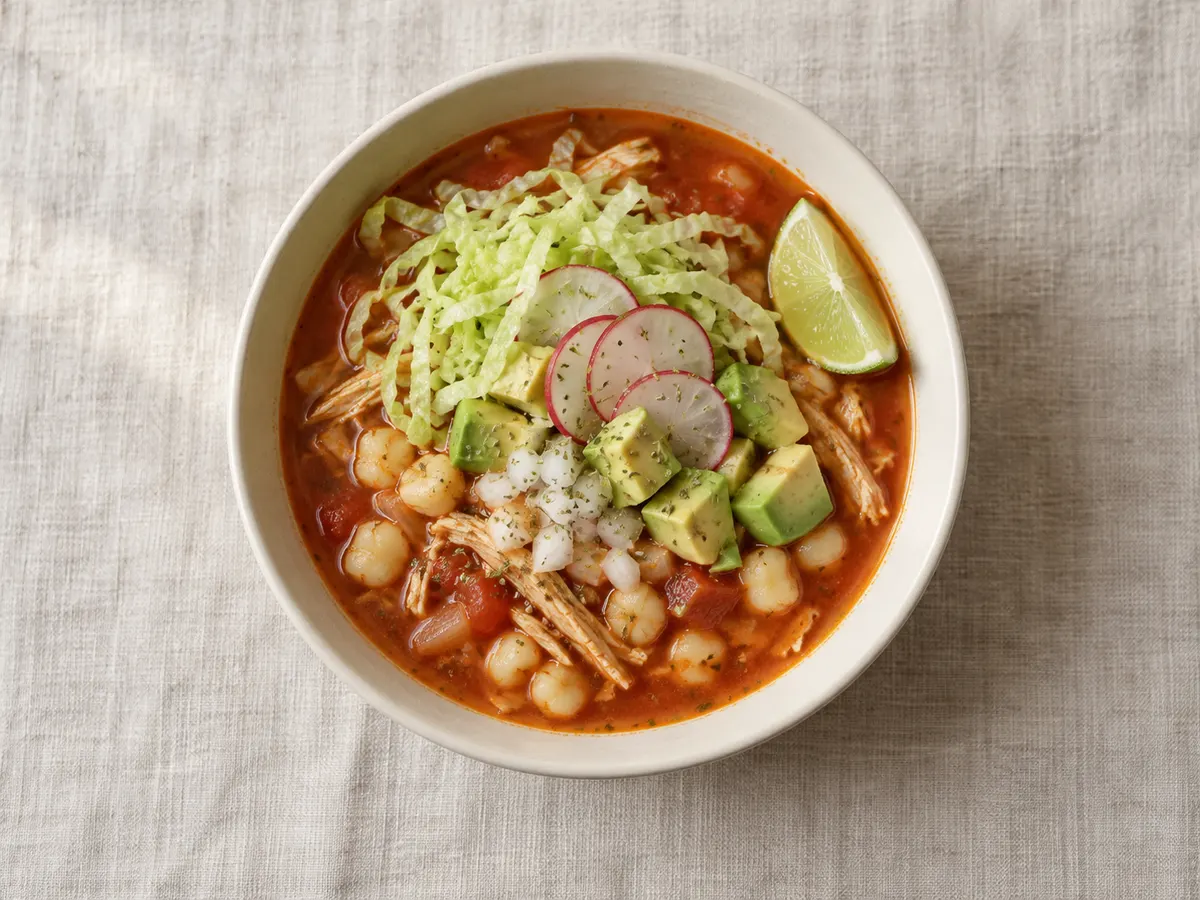
Light red pozole with chicken
Each serving has 331 kcal, 31.6 g of protein, and 6.8 g of fiber, or 9.6 g of protein per 100 kcal. Ready in 45 minutes; makes 2 servings.
Per serving
- 331 kcalCalories
- 31.6 gProtein
- 6.8 gFiber
Calculated ingredient by ingredient from USDA FoodData Central. 9.6 g of protein per 100 kcal.
- Prepared by
- Alex Gonzalez
- Published
- Sources
- 9 primary
No clinical review. No advertising from drug companies and no affiliate links.How we work
Ingredients
- 250 g9 ozboneless, skinless chicken breast (about 9 oz)
- 240 g8.5 ozcanned hominy, drained and rinsed (about 1 1/2 cups)
- 100 g3.5 oztomato (1 medium)
- 40 g1.5 ozonion (half in one chunk for the broth, half chopped for serving)
- 60 g2 ozshredded lettuce (about 1 cup)
- 30 g1 ozthinly sliced radishes (3)
- 60 g2 ozdiced avocado (1/2 small)
- 5 goil (1 teaspoon)
- Water (1 quart, about 1 liter)
- Dried guajillo chiles, stemmed and seeded (2)
- Garlic (2 cloves)
- Dried oregano
- Lime wedges
- Salt to taste
Directions
- Simmer the chicken in the water with the onion chunk, 1 garlic clove, and salt for 20 minutes; lift it out, shred it, and keep the broth.
- Soak the chiles in hot water for 10 minutes, then blend them with the tomato, the other garlic clove, and a little broth; strain the sauce.
- Fry the sauce in the oil in a pot for 3 minutes, then add the chicken broth.
- Add the hominy and simmer gently for 10 minutes.
- Return the shredded chicken to the pot and heat 2 minutes more.
- Serve with the lettuce, radishes, chopped onion, avocado, oregano, and lime to taste.
Why it is filling
Pozole is the dish of many posadas and New Year's Eve dinners in Mexico; this version uses chicken breast instead of fatty pork and leaves out the fried tostadas. Plenty of broth, soft hominy, and shredded chicken make a hot dish you eat by the spoonful that fills you without weighing you down. On a GLP-1 medication, start with the chicken and hominy and add the fresh toppings a little at a time.
In numbers, each serving has 31.6 g of protein and 6.8 g of fiber, with an energy density of 84 kcal per 100 g of the dish. In the satiety index by Holt and colleagues (1995), the foods that were most filling per calorie were those with more protein, fiber, and water and less fat.
If your appetite is small
- Serve yourself half a bowl and keep the toppings on the side, so you add only what you have room for.
- The broth with chicken and hominy freezes well; add the toppings fresh when you serve it.
Nutrition facts
| Nutrient | Per serving | Whole recipe |
|---|---|---|
| Calories | 331 kcal | 662 kcal |
| Protein | 31.6 g | 63.3 g |
| Carbohydrates | 25 g | 50.1 g |
| Fiber | 6.8 g | 13.6 g |
| Fat | 11.5 g | 22.9 g |
| Approximate weight | 393 g (14 oz) | 785 g (28 oz) |
How it is calculated
Each ingredient contributes its per-100 g values from the site’s food database, multiplied by the amount in the recipe. Seasonings, water, and lemon or lime juice are not counted. It is an approximation: the actual size of the foods and how you cook them shift the result a little.
| Ingredient | Amount | Calories | Protein | Fiber |
|---|---|---|---|---|
| Chicken breast | 250 g | 300 kcal | 56.3 g | 0 g |
| Hominy | 240 g | 173 kcal | 3.6 g | 6 g |
| Tomato | 100 g | 18 kcal | 0.9 g | 1.2 g |
| Onion | 40 g | 16 kcal | 0.4 g | 0.7 g |
| Romaine lettuce | 60 g | 10 kcal | 0.7 g | 1.3 g |
| Radishes | 30 g | 5 kcal | 0.2 g | 0.5 g |
| Avocado | 60 g | 96 kcal | 1.2 g | 4 g |
| Olive oil | 5 g | 44 kcal | 0 g | 0 g |
To plan your meals
- Daily protein calculator: an indicative protein range per day and per meal, to see how much of it this recipe covers.
- Weekly menu for small appetites: seven days of small portions with the protein spread across meals, ready to print.
More recipes
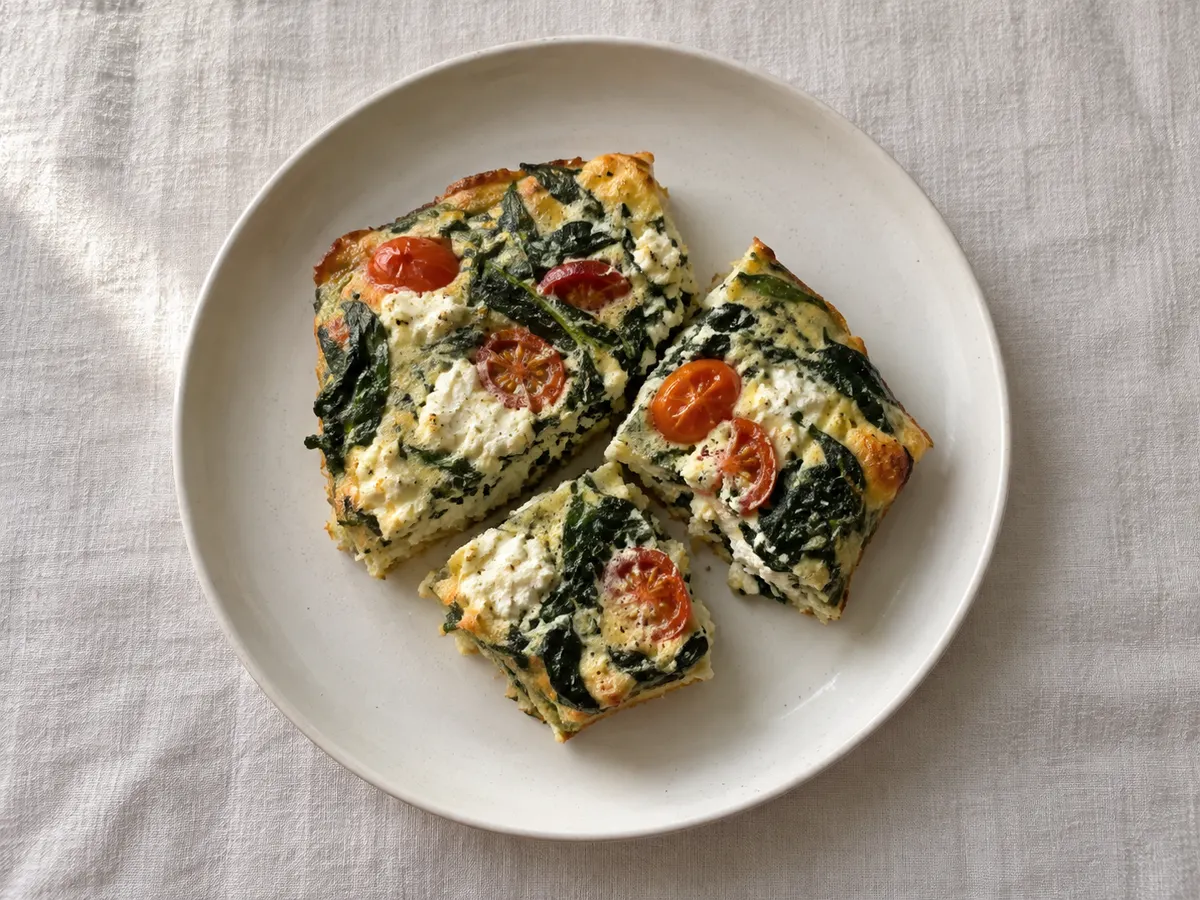
240 kcal28.8 grams of protein35 min
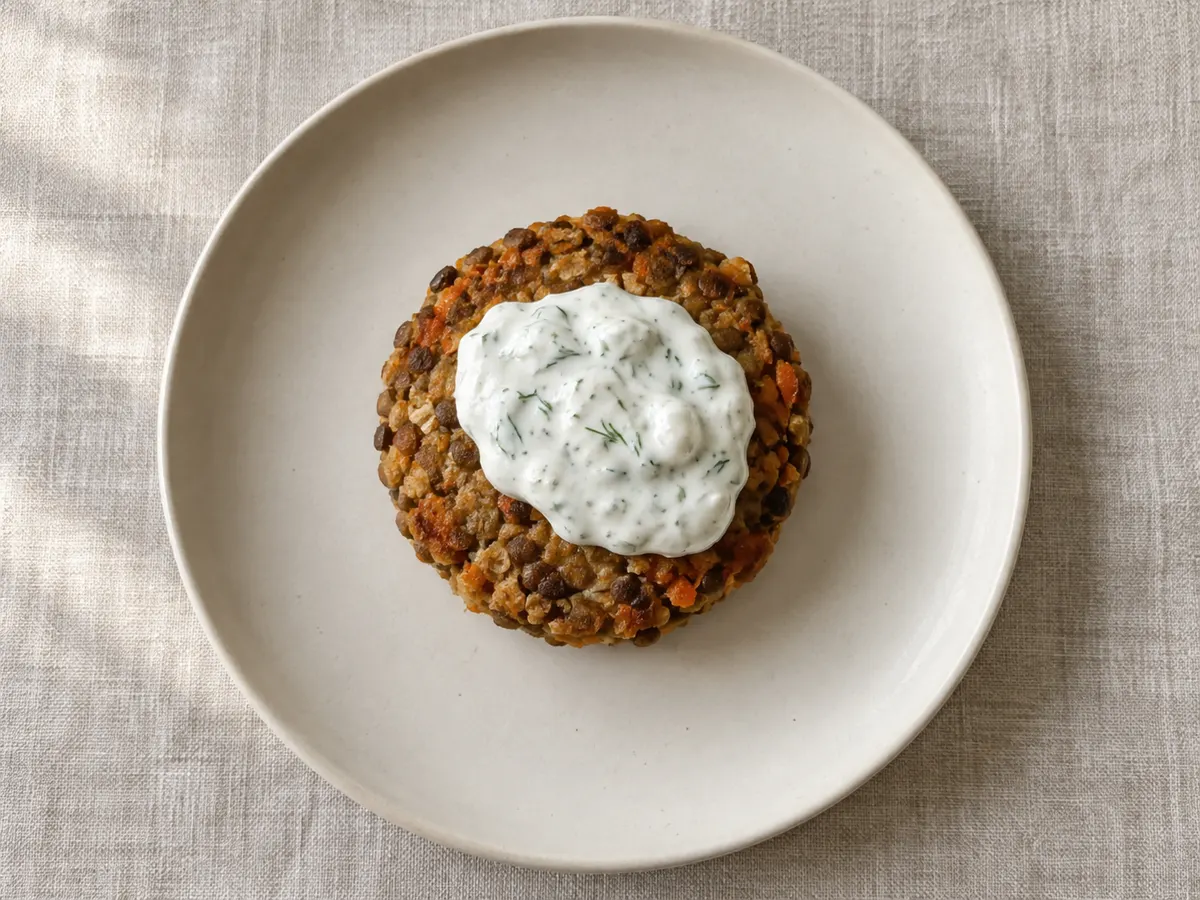
215 kcal15.4 grams of protein45 min
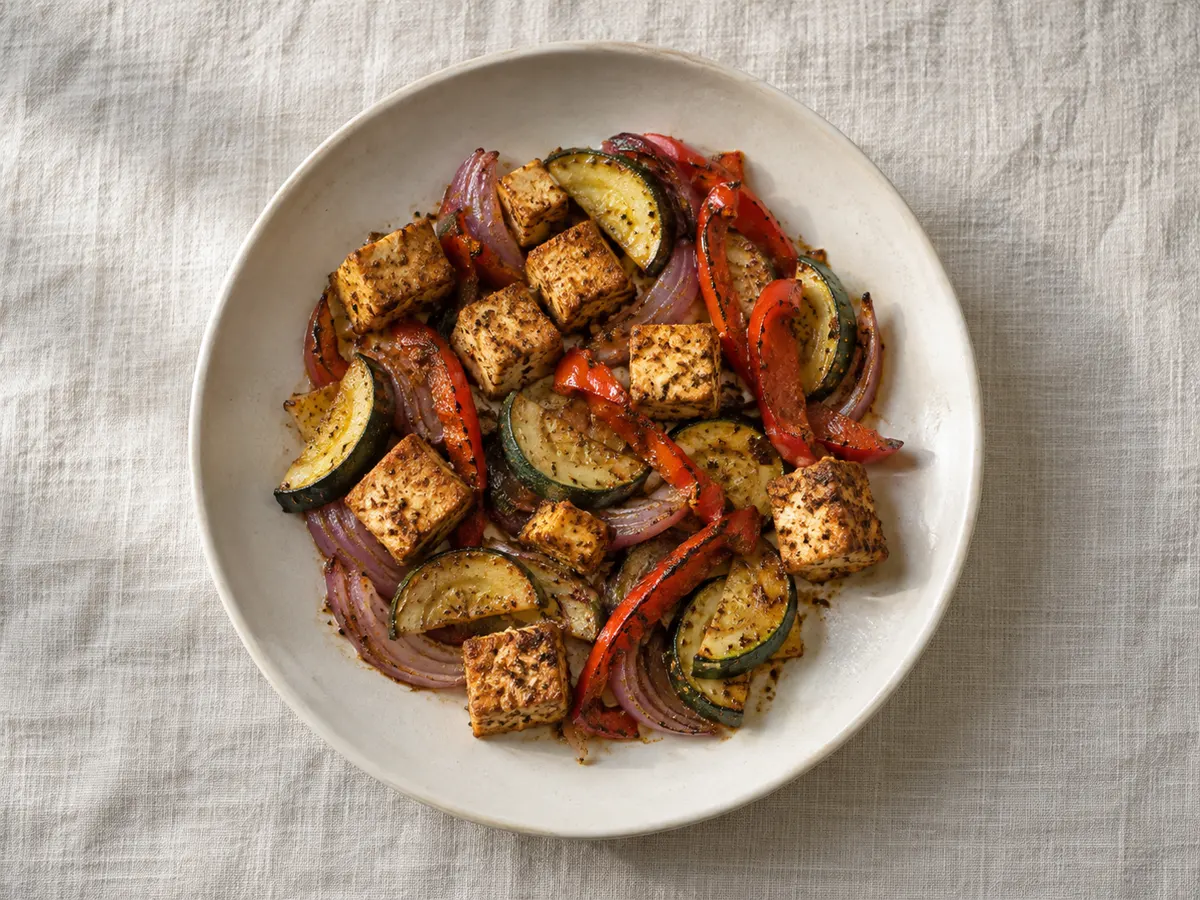
206 kcal15.7 grams of protein40 min
Sources
Nutrition values for each ingredient (USDA FoodData Central) and the satiety reference, with the access date.
- U.S. Department of Agriculture, Agricultural Research Service.USDA FoodData Central: Chicken, broiler or fryers, breast, skinless, boneless, meat only, raw (FDC ID 171077).accessed .
- U.S. Department of Agriculture, Agricultural Research Service.USDA FoodData Central: Hominy, canned, white (FDC ID 169701).accessed .
- U.S. Department of Agriculture, Agricultural Research Service.USDA FoodData Central: Tomatoes, red, ripe, raw, year round average (FDC ID 170457).accessed .
- U.S. Department of Agriculture, Agricultural Research Service.USDA FoodData Central: Onions, raw (FDC ID 170000).accessed .
- U.S. Department of Agriculture, Agricultural Research Service.USDA FoodData Central: Lettuce, cos or romaine, raw (FDC ID 169247).accessed .
- U.S. Department of Agriculture, Agricultural Research Service.USDA FoodData Central: Radishes, raw (FDC ID 169276).accessed .
- U.S. Department of Agriculture, Agricultural Research Service.USDA FoodData Central: Avocados, raw, all commercial varieties (FDC ID 171705).accessed .
- U.S. Department of Agriculture, Agricultural Research Service.USDA FoodData Central: Oil, olive, salad or cooking (FDC ID 171413).accessed .
- European Journal of Clinical Nutrition (PubMed).Holt SH, Miller JC, Petocz P, Farmakalidis E. A satiety index of common foods. Eur J Clin Nutr. 1995;49(9):675-90.accessed .