Meat, fish, and eggs
Egg whites
Egg whites provides 10.9 g of protein for 52 kcal per 100 g (3.5 oz), or 21 g of protein for every 100 kcal.
Estimated satietyHow it is calculated
Estimated satiety: 5 out of 5
| Starting point | +1 |
|---|---|
| Very low energy density: 52 kcal/100 g | +2 |
| Protein: 21.0 g/100 kcal | +2 |
| Fiber: 0.0 g/100 kcal | 0 |
| Solid food with 87.6 g of water | +1 |
| Sum | 6 |
| Capped at 5 | 5 |
Our own estimate from the values per 100 g: useful for comparing foods with each other, not a measurement in people. Holt index (1995): this food was not measured.
- Prepared by
- Alex Gonzalez
- Last updated
- Next review
- Sources
- 11 primary
- Data
- USDA FDC 172183
No clinical review. No advertising from drug companies and no affiliate links.How we work
Nutrition facts
- Calories
- 34 kcal per serving
- 52 kcal per 100 g (3.5 oz)
- Protein
- 7.2 g per serving
- 10.9 g per 100 g (3.5 oz)
- Carbohydrates
- 0.5 g per serving
- 0.7 g per 100 g (3.5 oz)
- of which sugars
- 0.5 g per serving
- 0.7 g per 100 g (3.5 oz)
- Fiber
- 0 g per serving
- 0 g per 100 g (3.5 oz)
- Fat
- 0.1 g per serving
- 0.2 g per 100 g (3.5 oz)
- of which saturated
- 0 g per serving
- 0 g per 100 g (3.5 oz)
- Water
- 57.8 g per serving
- 87.6 g per 100 g (3.5 oz)
Source: USDA FoodData Central: Egg, white, raw, fresh (FDC ID 172183), accessed September 23, 2026.
A typical 66 g (2.5 oz) serving provides about 34 kcal, 7.2 g of protein, and 0 g of fiber.
What it is and how to eat it
The Dictionary of the Spanish Language defines clara (egg white) as the whitish, liquid and transparent matter that surrounds the yolk of a bird's egg. This page uses USDA's raw egg white, with 52 kcal, 10.9 g of protein and only 0.17 g of fat per 100 g, against 143 kcal, 12.6 g of protein and 9.51 g of fat for raw whole egg. Other nutrients stay in the yolk: according to USDA, 100 g of yolk has 820 mg of choline and 5.4 µg of vitamin D, and 100 g of white, 1.1 mg of choline and no vitamin D.
Two large egg whites, about 66 g (2.3 oz) according to USDA's measures, provide 7.2 g of protein and 34 kcal with almost no fat, so they add protein to an omelet or scramble made with a single whole egg without adding much volume. The 2025 nutrition advisory on GLP-1 therapy lists eggs among the proteins to prioritize, suggests eating them first and advises avoiding fatty foods in the first few days of treatment, when an egg-white omelet made with little oil is a light option. Hard-cooked and chopped, they can also go into a soup or a vegetable purée.
What the evidence says
The Office of Dietary Supplements at the U.S. National Institutes of Health explains that raw egg white contains avidin, a protein that binds to biotin in food and prevents its absorption, and that cooking denatures it and removes that effect. The FDA advises cooking eggs until both the white and the yolk are firm, and Spain's Ministry of Social Rights, Consumer Affairs and 2030 Agenda advises pregnant women to avoid raw egg and dishes made with it. Protein provides 84% of its energy, far above the 20% the EU requires for a "high protein" claim, and with 0.439 mg of riboflavin per 100 g, 31% of the 1.4 mg reference value, it is also "high in riboflavin"; the EU authorizes saying that protein contributes to the maintenance of muscle mass (Regulations (EC) No 1924/2006, (EU) No 1169/2011 and (EU) No 432/2012).
Recipes with this food
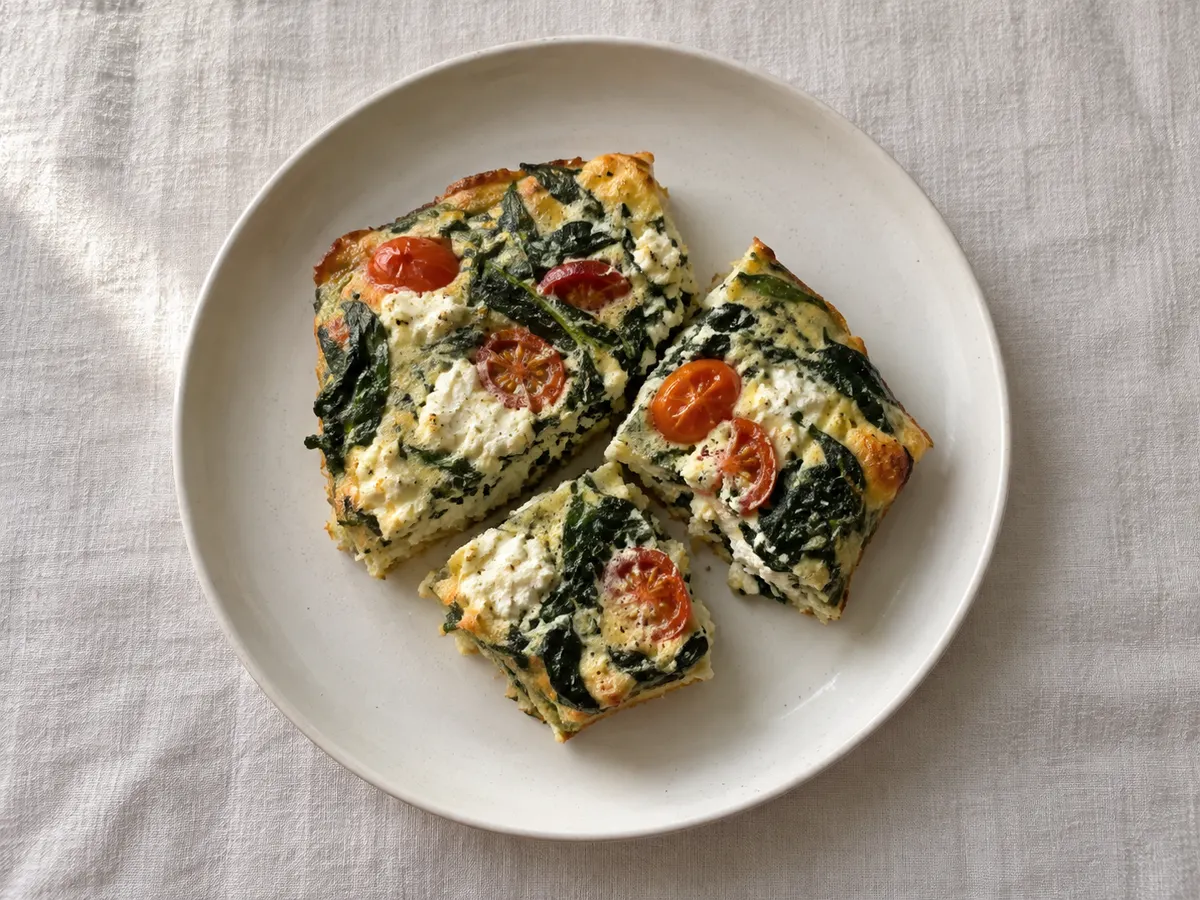 Baked egg whites with spinach and ricotta28.8 g protein per serving
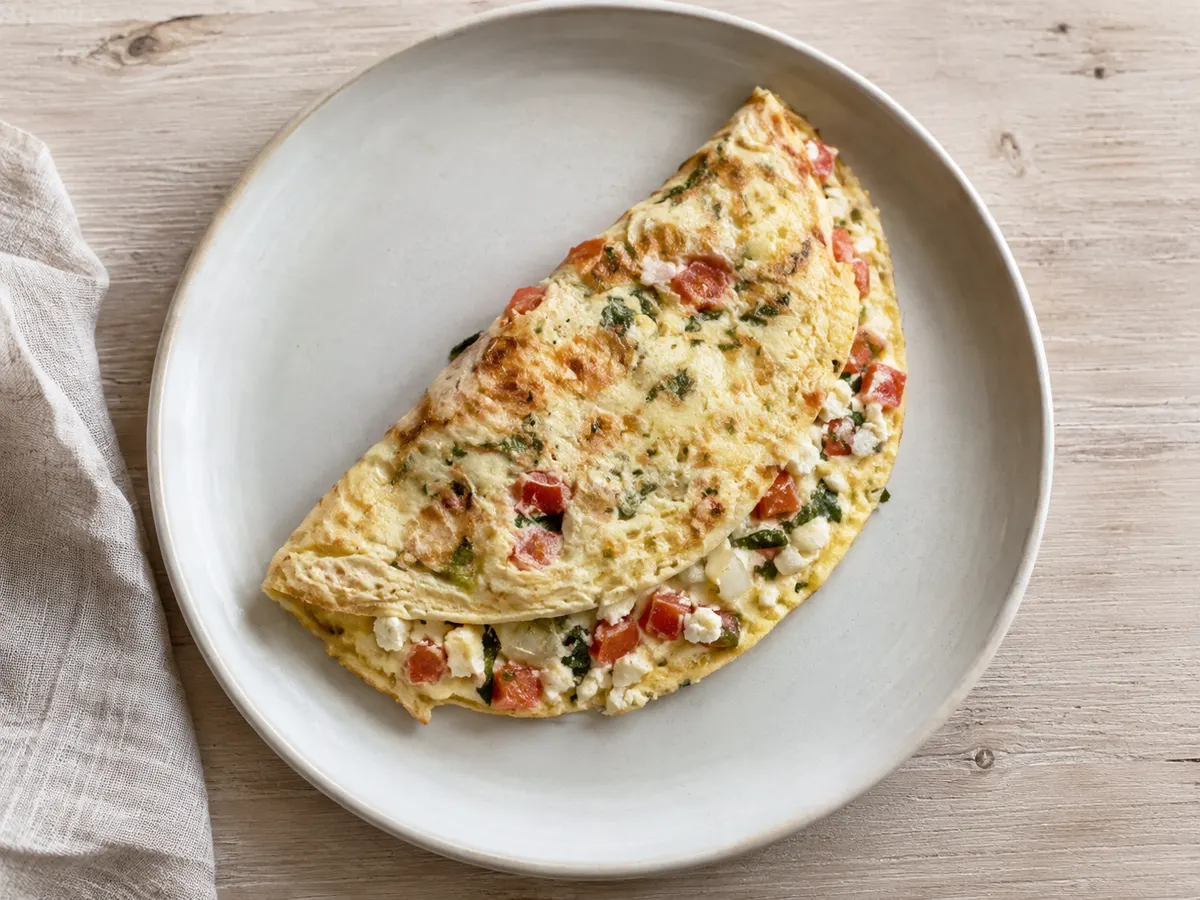 Mexican-style egg white omelet with queso fresco26.3 g protein per serving
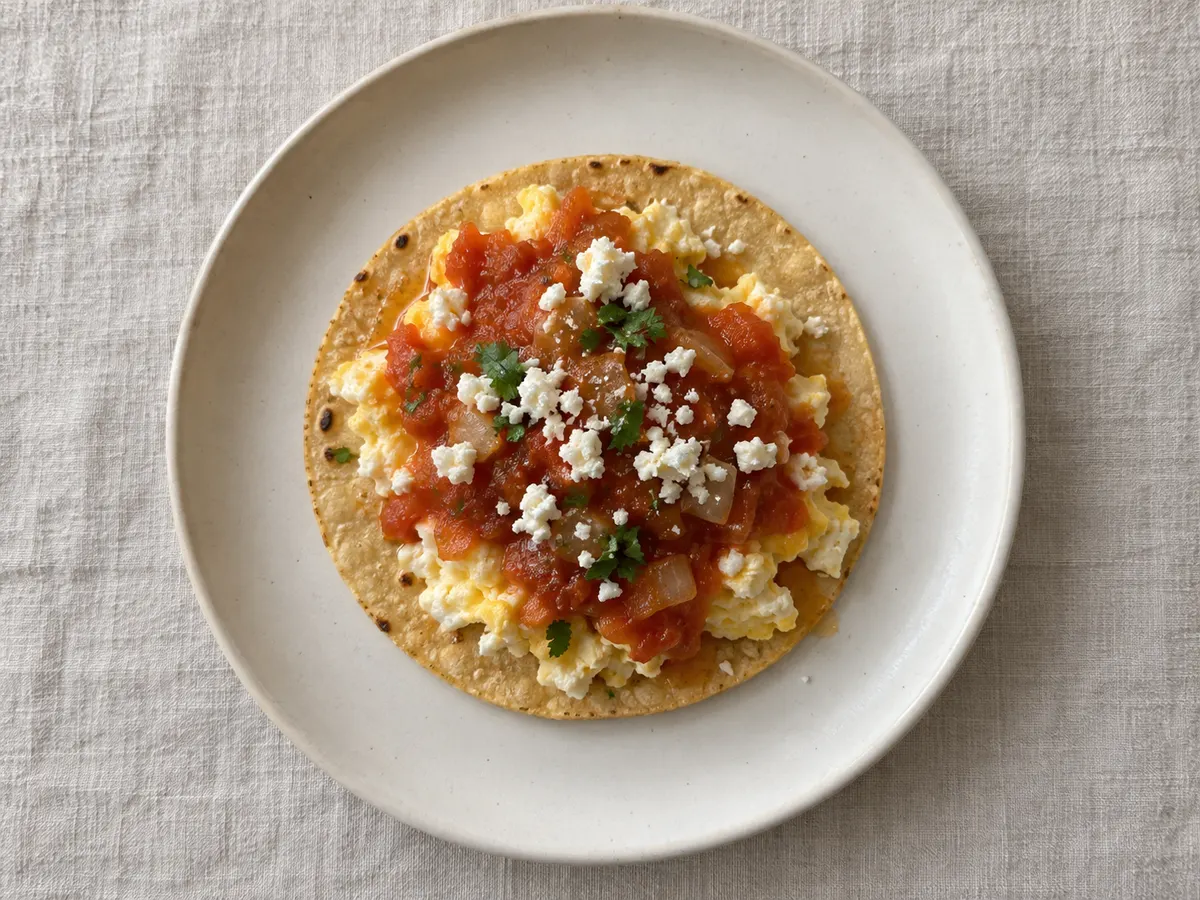 Egg white huevos rancheros26.6 g protein per serving
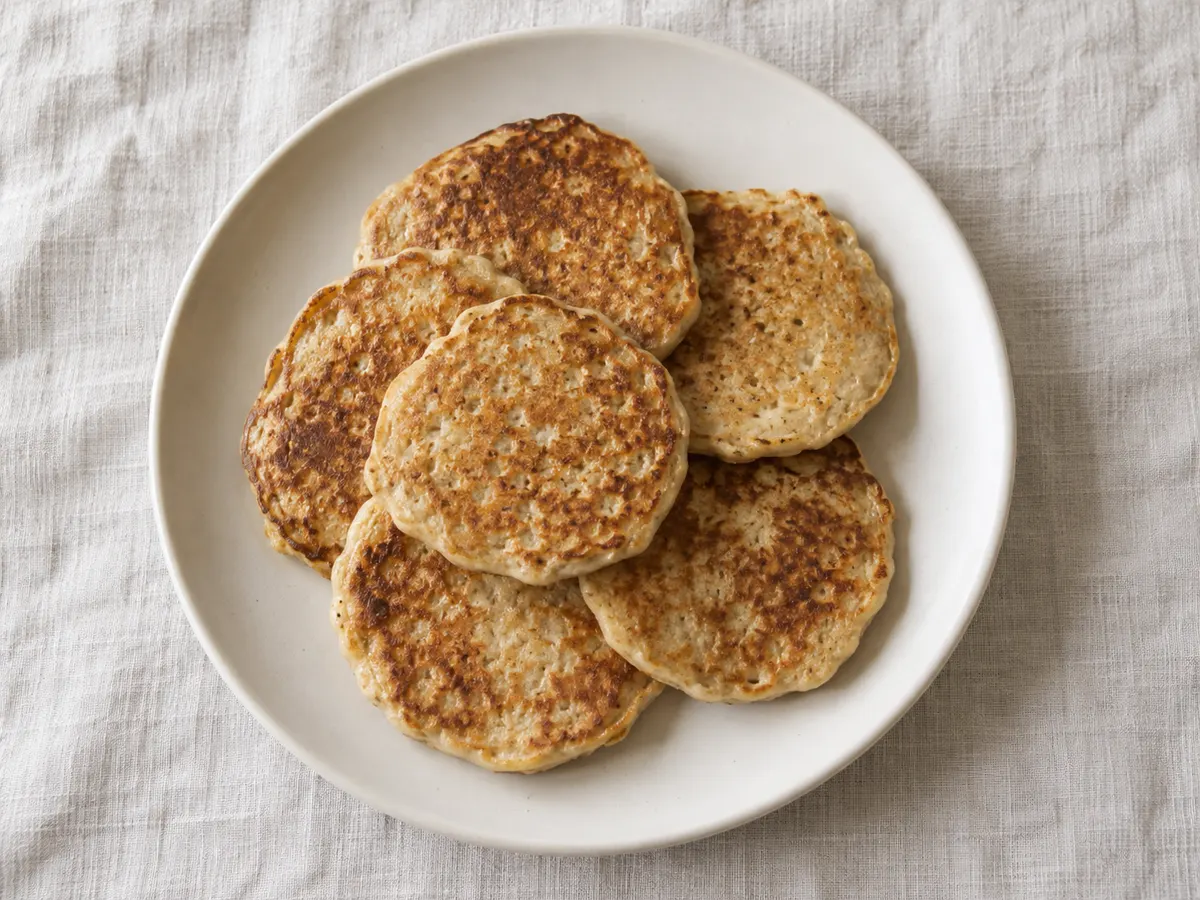 Egg white, oat, and banana pancakes18.1 g protein per serving
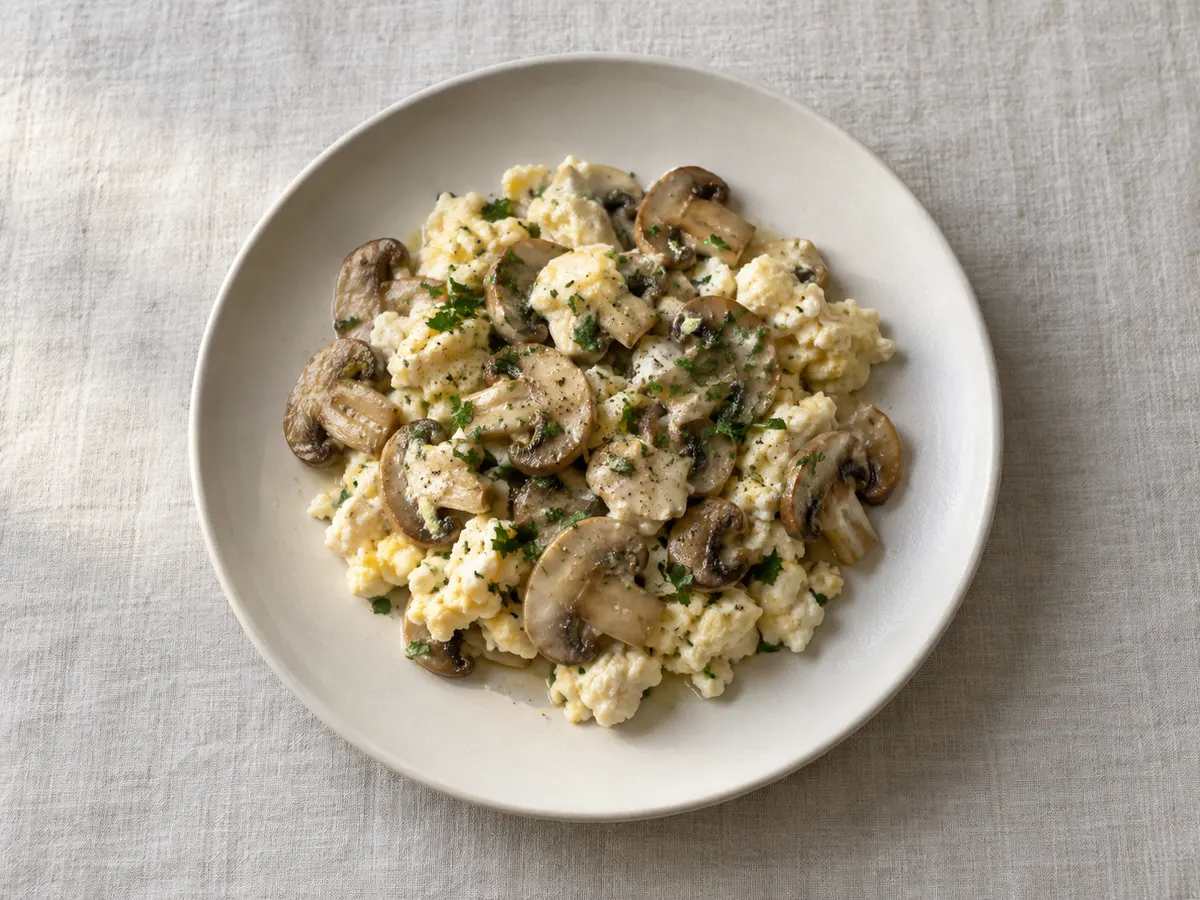 Egg white scramble with mushrooms23.1 g protein per serving
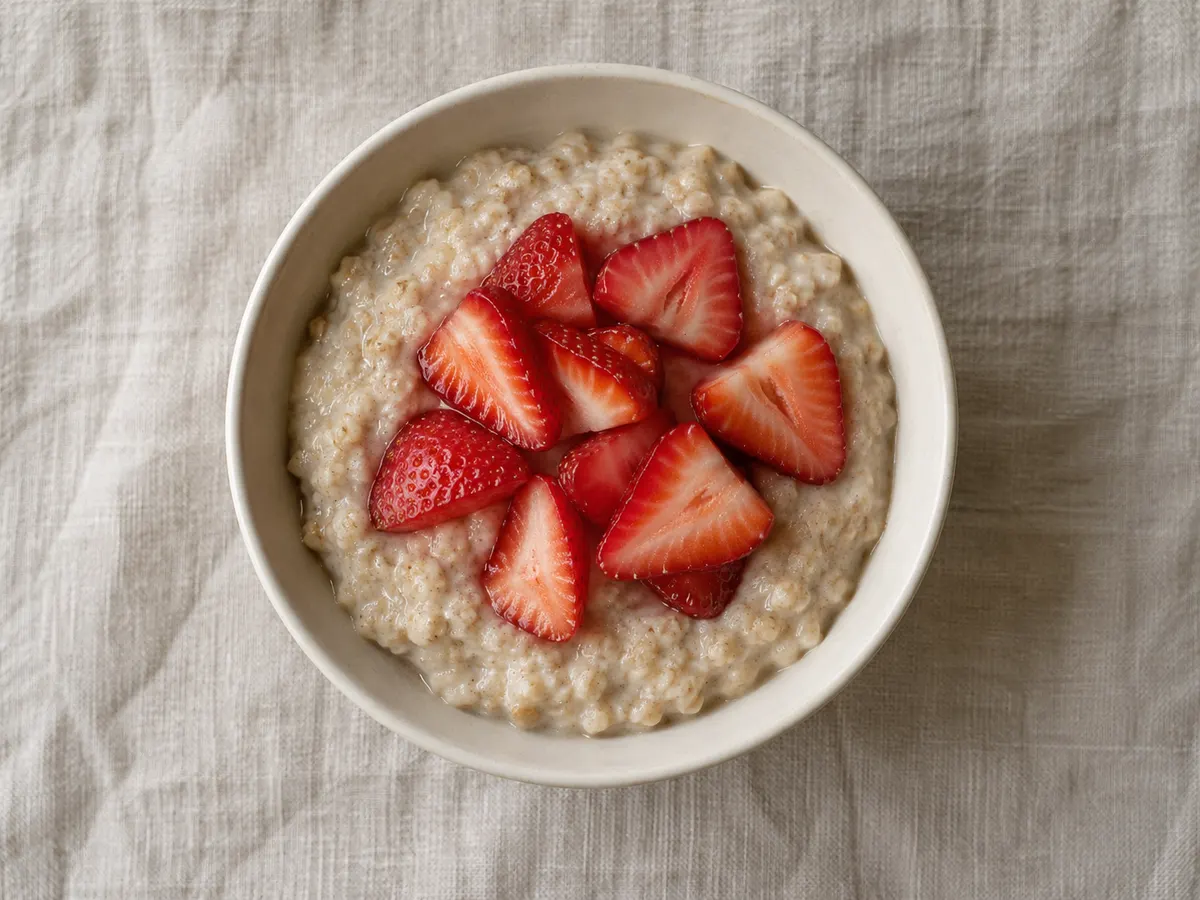 Creamy egg white oatmeal with strawberries18.8 g protein per serving
Satiety
The 1 to 5 score is our own estimate: it starts at 1 point, adds points for low energy density, for protein and fiber per 100 kcal, and for the water in solid foods, and subtracts points for drinks with calories. It is useful for comparing foods with each other; it is not a measurement in people.
What to keep in mind on a GLP-1 medication
Frequently asked questions about egg whites
How much protein is in a 66 g (2.5 oz) serving of egg whites?
100 g (3.5 oz) of egg whites has 10.9 g of protein. A typical 66 g (2.5 oz) serving has about 7.2 g of protein. That is 21 g of protein per 100 kcal, which is why it carries our “High in protein” tag.
How many calories does a 66 g (2.5 oz) serving of egg whites have?
100 g (3.5 oz) of egg whites has 52 kcal. A typical 66 g (2.5 oz) serving has about 34 kcal. That is a very low energy density.
Is egg whites filling?
Yes, very filling for the calories it provides: our estimated satiety score is 5 out of 5. Calculation: 1 (base) + 2 (very low energy density: 52 kcal/100 g) + 2 (protein: 21.0 g/100 kcal) + 0 (fiber: 0.0 g/100 kcal) + 1 (solid food with 87.6 g of water) = 6; capped at 5. It is an estimate based on its composition, not a measurement in people.
How does egg whites sit with nausea from a GLP-1 medication?
Based on our tags, this is what matters about egg whites on a GLP-1 medication. “High in protein”: plenty of protein per calorie; protein helps preserve muscle mass when you eat less. “Easy to digest”: a soft or low-fat food that many people tolerate well when they feel nauseous or get full quickly. “Low energy density”: plenty of volume for few calories; make sure it does not push protein foods off your plate. “Hydrating”: a lot of water, which contributes to hydration when you eat and drink less. These are general guidelines, not medical advice: everyone tolerates foods differently.
What counts as a normal serving of egg whites?
We use 66 g (2.5 oz) as a typical serving. That amount provides about 34 kcal, 7.2 g of protein, and 0 g of fiber. It is a reference for calculations, not a recommendation of how much to eat.
Compare with…
Similar foods
Sources
Sources for the data on this page, with the access date.
- Official databaseU.S. Department of Agriculture, Agricultural Research Service.USDA FoodData Central: Egg, white, raw, fresh (FDC ID 172183).accessed .
- InstitutionRoyal Spanish Academy and Association of Academies of the Spanish Language (RAE-ASALE).Diccionario de la lengua española (Dictionary of the Spanish Language, 23rd ed., online version): "claro, ra (clara)" (in Spanish).accessed .
- Official databaseU.S. Department of Agriculture, Agricultural Research Service.USDA FoodData Central: Egg, whole, raw, fresh (FDC ID 171287).accessed .
- Official databaseU.S. Department of Agriculture, Agricultural Research Service.USDA FoodData Central: Egg, yolk, raw, fresh (FDC ID 172184).accessed .
- Clinical guidelineObesity (Wiley).Mozaffarian D, et al. Nutritional priorities to support GLP-1 therapy for obesity: A joint Advisory from the American College of Lifestyle Medicine, the American Society for Nutrition, the Obesity Medicine Association, and The Obesity Society. Obesity. 2025;33(8):1475-1503. doi:10.1002/oby.24336.accessed .
- InstitutionNIH Office of Dietary Supplements.Biotin: Fact Sheet for Health Professionals.accessed .
- RegulatorU.S. Food and Drug Administration (FDA).What You Need to Know About Egg Safety.accessed .
- RegulatorMinistry of Social Rights, Consumer Affairs and 2030 Agenda (Spain).Alimentación segura durante el embarazo (Safe eating during pregnancy).accessed .
- RegulatorOfficial Journal of the European Union (EUR-Lex).Regulation (EC) No 1924/2006 on nutrition and health claims made on foods (Annex).accessed .
- RegulatorOfficial Journal of the European Union (EUR-Lex).Regulation (EU) No 1169/2011 on the provision of food information to consumers (Annex XIII, nutrient reference values).accessed .
- RegulatorOfficial Journal of the European Union (EUR-Lex).Commission Regulation (EU) No 432/2012 establishing a list of permitted health claims made on foods.accessed .